




Introduction
Healing from addiction isn’t a solo performance—it’s an ensemble piece where every voice matters. The corridors of recovery are lined with shared experiences, mutual support, and the collective wisdom that emerges when individuals unite toward a common goal. At Crossroads Healing Center, we’ve witnessed how CBT group therapy activities create transformative moments that individual sessions simply can’t replicate. Moreover, there’s something profound about recognizing your own struggles reflected in another person’s story, realizing you’re not alone in this journey toward wellness.
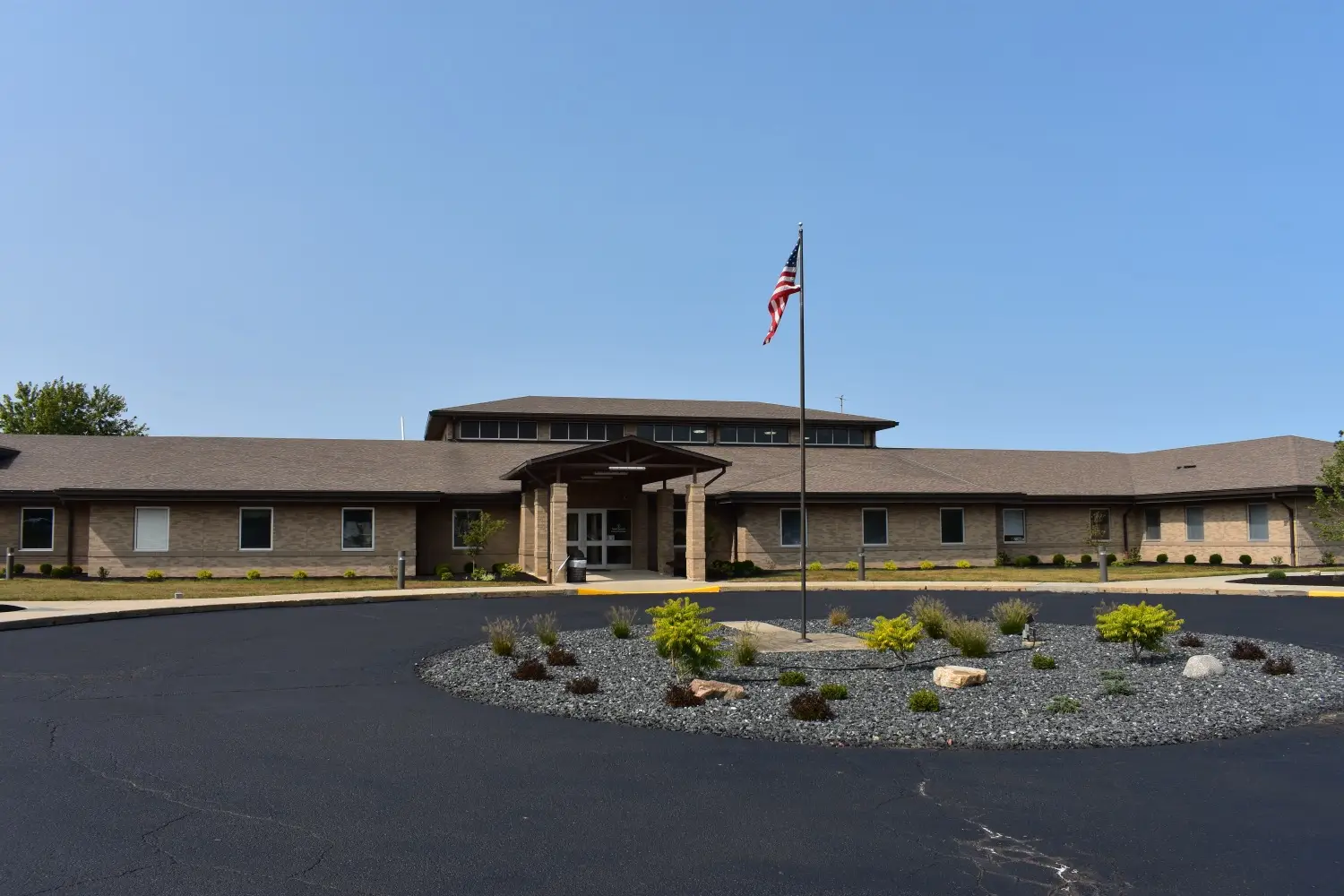
Group cognitive behavioral therapy combines the proven effectiveness of CBT with the power of peer connection. Consequently, participants learn not only from trained therapists but from each other’s victories and setbacks. Furthermore, our 14-acre residential campus in Indiana provides the perfect backdrop for this collaborative healing—a sanctuary where you can focus entirely on recovery while building relationships that extend beyond treatment.

What Is Cognitive Behavioral Therapy?
Cognitive behavioral therapy represents one of the most extensively researched psychotherapeutic approaches available today. Essentially, CBT operates on the principle that our thoughts, feelings, and behaviors are intrinsically connected—like threads woven into the fabric of our daily experience [1]. When you change how you think about a situation, you simultaneously shift your emotional response and behavioral patterns.
Unlike traditional talk therapy that delves deep into childhood experiences, CBT focuses primarily on present-day challenges and practical solutions. Additionally, this evidence-based treatment teaches you to identify distorted thinking patterns that fuel destructive behaviors [2]. Think of it as reprogramming the mental software that’s been running faulty code for years, ultimately replacing it with more adaptive, healthier thought processes.
How Does CBT Work?
The mechanics of CBT group therapy might seem deceptively simple, yet the impact runs remarkably deep. Sessions typically involve structured activities where participants identify negative thought patterns, challenge their validity, and develop alternative perspectives. Meanwhile, therapists guide these discussions while encouraging group members to support one another through the process [3].
During CBT group activities, you’ll engage in role-playing scenarios, thought records, and behavioral experiments. These interactive group therapy activities help solidify new skills through practice and repetition. Furthermore, the group setting provides immediate feedback—when someone shares a cognitive distortion, others can gently point it out, offering fresh perspectives you might not have considered alone [4].
| CBT Component | Group Therapy Application | Expected Outcome |
| Cognitive Restructuring | Challenging negative thoughts collaboratively | Reduced distorted thinking |
| Behavioral Activation | Group accountability for action plans | Increased positive behaviors |
| Skill Building | Practice through role-play exercises | Enhanced coping strategies |
| Exposure Therapy | Supported confrontation of fears | Decreased avoidance patterns |
Goals of CBT
Every worthwhile journey needs clear destinations, and CBT group therapy sessions establish specific, measurable objectives from the outset. Primarily, the goal involves teaching you to become your own therapist—equipped with tools to navigate future challenges independently [5]. This isn’t about creating dependency; rather, it’s about fostering autonomy and self-efficacy.
Another crucial aim involves developing emotional regulation skills that prevent relapse. Through cognitive behavioral group therapy, you’ll learn to recognize triggers before they escalate into full-blown cravings. Additionally, these sessions focus on building healthy relationships and communication patterns, which often deteriorate during active addiction. The group format naturally facilitates these interpersonal skills, as you practice them in real-time with peers who understand your struggles intimately [6].
How Is Cognitive Behavioral Therapy Used in Addiction Treatment?

Addiction hijacks the brain’s reward system, creating powerful associations between substances and relief from emotional pain. Consequently, CBT addresses this by helping you understand the thoughts and beliefs driving your substance use. At Crossroads Healing Center, our CBT group therapy activities specifically target the cognitive distortions common in addiction—catastrophizing, all-or-nothing thinking, and minimization of consequences.
Group CBT sessions teach practical relapse prevention strategies through interactive exercises. For instance, you might participate in problem-solving group therapy activities where members brainstorm solutions to hypothetical high-risk situations. Moreover, peer accountability becomes invaluable—when someone commits to a sobriety goal in front of the group, they’re more likely to follow through. Research confirms that CBT effectively reduces substance use and prevents relapse when integrated into comprehensive treatment programs [1].
Benefits of Cognitive Behavioral Therapy
The advantages of CBT groups extend far beyond symptom reduction. First and foremost, you gain multiple perspectives on shared challenges—what one person finds helpful might spark an insight for another. This cross-pollination of ideas rarely occurs in individual therapy sessions. Additionally, group settings normalize struggles with addiction, combating the shame and isolation that often accompany substance use disorders [4].
Financial considerations matter too. Group therapy activities typically cost less than individual sessions while delivering comparable outcomes for many conditions. Furthermore, you develop a support network that continues after treatment ends. These connections become lifelines during difficult moments, providing encouragement and accountability when you need it most. Studies demonstrate that group cognitive behavioral therapy produces lasting changes in thought patterns and behaviors, with effects persisting long after treatment concludes [2][3].
Is CBT Covered by Insurance?
Navigating insurance coverage can feel like decoding an ancient manuscript, but most major insurers recognize CBT’s effectiveness and cover these services. At Crossroads Healing Center, we work with Anthem, Cigna, UnitedHealthcare, Aetna, and many other providers. However, coverage specifics vary dramatically between plans—what’s fully covered under one policy might require significant out-of-pocket expenses under another.
Generally, insurance companies view CBT group therapy as medically necessary for treating mental health and substance use disorders. Nevertheless, you’ll want to verify your specific benefits, including copayments, deductibles, and session limits. Our admissions team specializes in insurance verification, handling these details so you can focus on what matters most: your recovery. We’ll contact your provider to determine exact coverage for our CBT group therapy curriculum and other treatment services [6].
Is CBT Covered by Medicare and Medicaid?

Medicare and Medicaid both cover CBT group therapy when deemed medically necessary for treating diagnosed conditions. Medicare Part B typically covers outpatient mental health services, including group therapy sessions, at 80% of the approved amount after you meet your deductible. Meanwhile, Medicaid coverage varies by state, but Indiana’s program generally includes behavioral health services like CBT groups.
The key factor involves medical necessity—your treatment must be prescribed by a licensed provider and address a specific diagnosis. At Crossroads, we ensure all documentation meets insurance requirements for coverage approval. Additionally, we can help you understand any potential costs before beginning treatment, eliminating financial surprises during your recovery journey [5].
Finding CBT for Addiction Treatment Near You
Choosing the right treatment facility represents one of the most important decisions you’ll make in recovery. When evaluating programs, look for accredited facilities offering evidence-based CBT group activities facilitated by licensed professionals. The quality of group therapy interventions varies significantly between providers—you want experienced clinicians who understand both addiction dynamics and group process dynamics.
At Crossroads Healing Center, our Indiana facility provides comprehensive addiction treatment incorporating diverse CBT group therapy activities tailored to individual needs. Our 14-acre residential campus offers crisis stabilization, inpatient treatment, and aftercare services—creating a continuum of care that supports you through every recovery stage. Furthermore, we integrate innovative treatments like transcranial magnetic stimulation (TMS) and red light therapy alongside traditional CBT approaches, ensuring you receive cutting-edge care [1].
Our CBT groups focus on practical skill development through engaging activities rather than passive lectures. You’ll participate in cognitive distortions group activities, anxiety management exercises, and problem-solving workshops designed specifically for adults in recovery. The result? A transformative experience where healing happens through connection, understanding, and shared commitment to wellness.
Conclusion
Recovery from addiction demands courage, commitment, and community. CBT group therapy activities provide all three—evidence-based techniques delivered in a supportive environment where genuine connections flourish. At Crossroads Healing Center, we’ve created a space where you can rediscover yourself while learning from others walking similar paths. The journey toward wellness doesn’t require perfection; it simply requires showing up, engaging authentically, and trusting the process.
Your path to recovery begins with a single decision. Whether you’re seeking group therapy ideas for mental health challenges, addiction treatment, or both, our comprehensive programs offer the structure and support necessary for lasting change. Don’t let another day pass wondering if things could be different—contact us today and discover how our CBT group therapy can transform your life.
Frequently Asked Questions
Q: What happens during a typical CBT group therapy session?
A: Sessions typically last 60-90 minutes and include a check-in, skill-building exercises, group discussion, and action planning. Participants share experiences, practice new techniques through role-playing, and receive feedback from both therapists and peers. Each session focuses on specific CBT topics relevant to addiction recovery.
Q: How many people are in a CBT group therapy session?
A: Most therapeutic groups include 6-12 participants. This size allows everyone to contribute meaningfully while maintaining an intimate, supportive atmosphere. Smaller groups facilitate deeper connections and ensure each person receives adequate attention from facilitators.
Q: Can I participate in both individual and group CBT simultaneously?
A: Absolutely! Many people benefit from combining individual and group therapy. Individual sessions address personal issues requiring privacy, while group CBT provides peer support and diverse perspectives. This integrated approach often produces superior outcomes compared to either modality alone.
Q: What if I’m uncomfortable sharing in group settings?
A: Discomfort is completely normal initially. Therapists create safe, judgment-free environments where participation happens at your own pace. You’re never forced to share before you’re ready. Most people find that as trust builds within the group, sharing becomes easier and more rewarding.
Q: How long does CBT group therapy typically last?
A: Treatment duration varies based on individual needs and program structure. Short-term groups might run 8-12 weeks, while comprehensive residential programs incorporate CBT groups throughout your stay. At Crossroads, we tailor treatment length to your specific situation, ensuring adequate time for meaningful change.
Sources
[1] Cognitive Behavioral Therapy (CBT). National Center for Biotechnology Information. – https://www.ncbi.nlm.nih.gov/books/NBK279297
[2] Therapist’s Guide to Brief Cognitive Behavioral Therapy. U.S. Department of Veterans Affairs MIRECC. – https://www.mirecc.va.gov/visn16/docs/therapists_guide_to_brief_cbtmanual.pdf
[3] Cognitive Behavioral Therapy for Substance Use Disorders. National Center for Biotechnology Information. – https://www.ncbi.nlm.nih.gov/books/NBK549812
[4] Cognitive Behaviour Therapy. Better Health Victoria. – https://www.betterhealth.vic.gov.au/health/conditionsandtreatments/cognitive-behaviour-therapy
[5] Group Cognitive-Behavioral Therapy for Depression. ClinicalTrials.gov. – https://www.clinicaltrials.gov/study/NCT00663078
[6] What Is Cognitive Behavioral Therapy? National Institute of Justice. – https://nij.ojp.gov/topics/articles/what-cognitive-behavioral-therapy