




Introduction
When mental health struggles threaten to overwhelm your life, finding the right therapeutic approach becomes more than just a necessity—it’s your lifeline to lasting recovery. Dialectical behavior therapy, or DBT therapy, represents a sophisticated yet remarkably accessible form of treatment that’s transforming how we address emotional dysregulation, substance abuse, and co-occurring disorders. Moreover, this evidence-based approach combines practical skills with compassionate understanding, creating a framework that doesn’t just help you survive crisis moments but teaches you to thrive beyond them. At Crossroads Healing Center, we’ve witnessed firsthand how DBT mental health treatment empowers individuals to reclaim control over their emotions, relationships, and ultimately, their lives.

What is Dialectical Behavior Therapy (DBT)?
DBT stands for Dialectical Behavior Therapy—a comprehensive treatment modality originally developed by psychologist Dr. Marsha Linehan in the late 1980s. Initially, she created this therapeutic approach to treat individuals with borderline personality disorder, but the framework proved remarkably effective for various mental health conditions and substance use disorders [1]. The DBT definition centers on balancing two seemingly opposite concepts: acceptance and change. Consequently, this dialectical approach teaches you to accept your current situation while simultaneously working toward meaningful transformation.
What is dialectical behavioral therapy in practical terms? It’s essentially a structured program combining individual psychotherapy with skills training in groups [2]. Furthermore, the therapy integrates cognitive-behavioral techniques with mindfulness practices drawn from Eastern philosophical traditions. This unique combination addresses the emotional dysregulation that often fuels addiction, making DBT counseling particularly valuable for those struggling with both substance abuse and mental health challenges. The dialectical behavior therapy program recognizes that you’re doing the best you can while acknowledging there’s room for growth—a powerful paradox that creates space for real healing.

What is Dialectical Behavior Therapy (DBT) Used For?
What is DBT used for extends far beyond its original application. Today, mental health professionals utilize this treatment approach for an impressive range of conditions that often co-occur with addiction. Research demonstrates DBT’s effectiveness in treating borderline personality disorder dialectical behavior therapy applications, but it’s equally powerful for addressing substance use disorders, eating disorders, post-traumatic stress disorder (PTSD), and severe mood dysregulation [3].
For individuals receiving care at facilities like Crossroads Healing Center, dialectical behavior therapy for anxiety and dialectical behavior therapy for depression offers tangible tools to manage overwhelming emotions without resorting to destructive behaviors. Additionally, DBT for borderline personality disorder helps people develop healthier relationship patterns and reduce self-destructive tendencies. The therapy proves particularly beneficial when treating co-occurring disorders, where mental health conditions intertwine with substance abuse, creating complex treatment needs that require sophisticated, multi-faceted approaches.
How Does Dialectical Behavior Therapy (DBT) Work?
How does DBT work? The dialectical behavioral therapy framework operates through four primary modes of treatment, each designed to address different aspects of emotional and behavioral challenges. These interconnected components create a comprehensive support system that extends beyond traditional talk therapy. Consequently, participants receive multiple touchpoints of care throughout their recovery journey, ensuring consistent support during vulnerable moments.
The four essential DBT skills modules form the backbone of this treatment approach: mindfulness, distress tolerance, emotion regulation, and interpersonal effectiveness [4]. Mindfulness helps you stay present rather than ruminating on past traumas or future anxieties. Distress tolerance provides crisis survival strategies when you’re tempted to use substances. Emotion regulation teaches you to identify and modify intense feelings before they escalate. Finally, interpersonal effectiveness equips you with communication tools to maintain healthy relationships without sacrificing your own needs.
DBT Pre-Assessment
Before beginning a DBT program, you’ll undergo a comprehensive pre-assessment to determine if this treatment approach aligns with your specific needs. This evaluation process typically involves meeting with a qualified DBT therapist who will review your mental health history, substance use patterns, and current life challenges. Moreover, the assessment helps identify specific behavioral targets and establishes a baseline for measuring progress throughout treatment.
During the DBT pre-assessment, your therapist will explore your motivation for change and readiness to commit to the program’s requirements. The dialectical behavior therapy program demands significant time investment and active participation, so understanding your commitment level proves essential. Additionally, this initial meeting allows you to ask questions about the DBT therapy definition, treatment expectations, and what makes this approach unique compared to other therapeutic modalities you may have tried previously.
Individual DBT Therapy

Individual DBT therapy sessions typically occur weekly and last 50-60 minutes. These one-on-one meetings with your therapist focus on addressing your specific behavioral challenges and applying DBT skills to your unique life circumstances. Furthermore, your therapist uses a structured approach called “diary card review” to track your progress, identify patterns, and determine which skills need reinforcement during each session.
What sets individual therapy DBT apart is its emphasis on behavioral analysis. When you experience urges to use substances or engage in other destructive behaviors, your therapist helps you dissect what triggered these urges and develop alternative responses. This detailed examination reveals the chain of events leading to problematic behaviors, creating opportunities to interrupt these patterns before they escalate. Consequently, you develop personalized strategies that address your specific triggers rather than relying on generic coping techniques that may not resonate with your experience.
DBT Skills Training in Groups
Group therapy sessions constitute a vital component of the comprehensive dialectical behavioral therapy approach. These structured weekly meetings typically accommodate 6-10 participants and run for approximately 2-2.5 hours. Unlike traditional group therapy focused on processing emotions and sharing experiences, DBT skills training functions more like an educational class where you systematically learn and practice specific techniques [5].
The DBT skills training in groups covers the four core modules sequentially, with each module receiving several weeks of focused attention. Participants complete homework assignments between sessions, applying newly learned skills to real-life situations. This practical application proves invaluable for solidifying your understanding and building confidence in using these techniques during challenging moments. Moreover, the group format provides opportunities to observe how others implement DBT basics, learn from their successes and struggles, and develop a supportive community of individuals working toward similar recovery goals.
| DBT Skills Module | Primary Focus | Key Techniques | Duration |
| Mindfulness | Present-moment awareness | Wise mind, observe, describe | 2-3 weeks |
| Distress Tolerance | Crisis survival | STOP skill, radical acceptance, self-soothing | 3-4 weeks |
| Emotion Regulation | Managing intense feelings | Identifying emotions, opposite action, reducing vulnerability | 4-5 weeks |
| Interpersonal Effectiveness | Healthy relationships | DEAR MAN, GIVE, FAST | 3-4 weeks |
Telephone Crisis Coaching
One of DBT’s most distinctive features is telephone crisis coaching—a support mechanism that extends treatment beyond scheduled therapy sessions. This component recognizes that emotional crises don’t conveniently occur during office hours. Therefore, DBT therapists make themselves available by phone for brief consultations when you’re struggling to apply skills in real-time situations.
Telephone crisis coaching isn’t intended for general conversation or processing complex issues—those discussions belong in scheduled therapy sessions. Instead, these brief calls focus on helping you identify which DBT skill applies to your current situation and coaching you through its implementation. For someone receiving treatment at Crossroads Healing Center, this might mean calling when experiencing overwhelming emotions or self-destructive urges and receiving guidance on deploying distress tolerance techniques to navigate the crisis safely. This immediate support can prevent escalation during vulnerable moments when traditional support systems aren’t immediately accessible.
What Are the Benefits and Risks of Dialectical Behavior Therapy (DBT)?
The benefits of dialectical behavioral therapy (DBT) extend across multiple dimensions of mental health and recovery. Research consistently demonstrates significant reductions in self-destructive behaviors, substance use, and psychiatric hospitalizations among individuals completing comprehensive DBT programs [1]. Additionally, participants report improved emotional regulation, enhanced relationship quality, and increased life satisfaction. The structured nature of DBT provides clear objectives and measurable progress markers, which many people find motivating during their recovery journey.
However, like any treatment approach, DBT therapy comes with certain considerations. The program demands substantial time commitment—typically 2-3 sessions weekly plus homework assignments—which can challenge individuals with demanding work schedules or family responsibilities. Furthermore, the skills-based approach may initially feel mechanical or overly structured for those preferring more exploratory, emotion-focused therapy. Some people struggle with the dialectical philosophy of acceptance and change, finding it conceptually confusing at first. Despite these challenges, most individuals who commit to the full program find the benefits far outweigh these temporary difficulties, particularly when treating co-occurring addiction and mental health disorders.
How Long Will I Need Dialectical Behavior Therapy?
How long is DBT therapy? Standard comprehensive DBT programs typically run for one year, though some individuals benefit from extended treatment. This timeframe allows you to cycle through all four skills modules multiple times, reinforcing techniques and addressing increasingly complex behavioral challenges. Moreover, research suggests that completing the full program yields better outcomes than abbreviated versions, as the skills build progressively on each other.
At Crossroads Healing Center, we recognize that treatment duration must be individualized. Some people achieve their therapeutic goals within the standard timeframe, while others require additional support through our residential inpatient program or aftercare services. The DBT overview includes flexibility for extending or adapting treatment based on your progress. Consequently, your therapist will regularly assess whether you’re meeting established goals and discuss whether continuing, reducing, or graduating from treatment makes sense for your current circumstances.
When Should I See My Healthcare Provider or Therapist While Doing DBT?
Throughout your DBT program, maintaining open communication with your treatment team remains essential. You should definitely contact your therapist between sessions if you’re experiencing suicidal thoughts, urges to self-harm, or overwhelming temptations to engage in destructive behaviors. These situations warrant immediate attention, and telephone crisis coaching exists precisely for these moments.
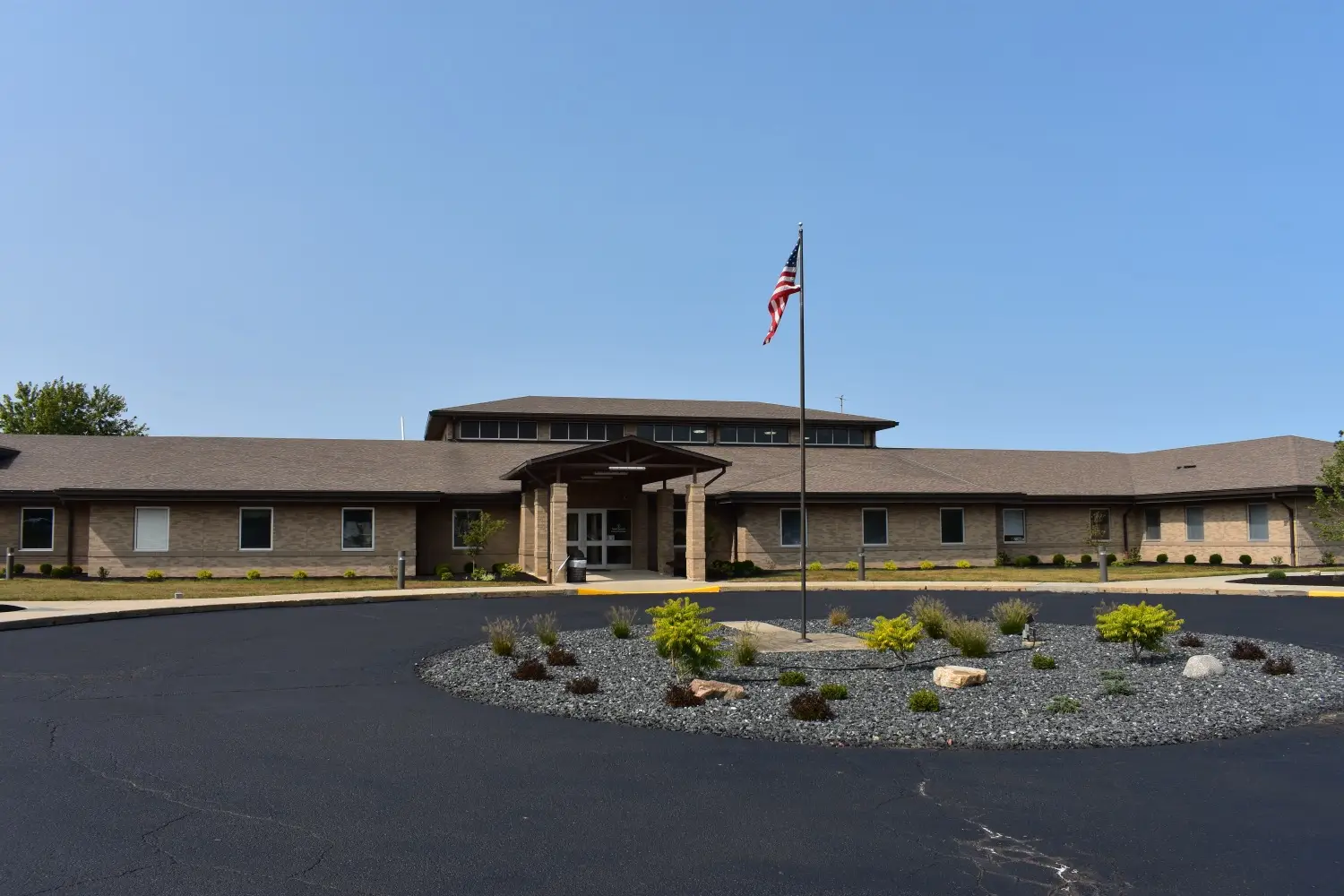
Additionally, schedule check-ins with your healthcare provider if you’re experiencing medication side effects, significant changes in mood or sleep patterns, or physical health concerns that might impact your recovery. At Crossroads Healing Center, we coordinate care between therapists, physicians, and other treatment providers to ensure comprehensive support on our 14-acre residential campus in Connersville, Indiana. Regular communication prevents small issues from escalating into crises and allows your team to adjust your treatment plan proactively. Remember, reaching out for help demonstrates skill application—specifically, the interpersonal effectiveness skills you’re learning in DBT—rather than weakness.
How Do I Find a DBT Therapist?
Finding a qualified DBT therapist requires some research, as not all mental health professionals receive comprehensive training in this specialized approach. Look for therapists who have completed intensive DBT training programs and, ideally, participate in ongoing consultation teams where they receive supervision and support from other DBT practitioners. This consultation team requirement distinguishes comprehensive DBT programs from therapists who simply incorporate some DBT skills into their general practice.
At Crossroads Healing Center in Connersville, Indiana, our treatment team includes therapists specifically trained in delivering comprehensive dialectical behavior therapy for individuals struggling with mental health conditions and co-occurring disorders. Located centrally between Indianapolis, Cincinnati, and Dayton, Ohio, our 14-acre residential campus offers various levels of care—from crisis stabilization to residential inpatient and partial hospitalization programs—that can accommodate DBT treatment alongside other evidence-based therapies. Our integrated approach means you receive consistent, coordinated care addressing all aspects of your recovery. Contact our admissions team to learn more about how our DBT therapy program can support your journey toward lasting wellness.
Frequently Asked Questions About DBT
1. What does DBT stand for in mental health?
DBT stands for Dialectical Behavior Therapy. The term “dialectical” refers to the integration of opposites—specifically, accepting yourself as you are while simultaneously working to change problematic behaviors. This balanced approach makes DBT particularly effective for treating individuals who struggle with intense emotions and self-destructive behaviors, including those dealing with mental health conditions and substance abuse.
2. Is DBT only for borderline personality disorder?
No, while DBT for borderline personality disorder was its original application, this therapy now treats numerous conditions effectively. Mental health professionals use DBT psychology principles for substance use disorders, eating disorders, PTSD, anxiety disorders, depression, and other conditions involving emotional dysregulation. The therapy’s versatility makes it valuable across various diagnostic categories, particularly when treating co-occurring disorders.
3. How is DBT different from regular therapy or CBT?
DBT differs from traditional talk therapy by emphasizing skill-building over emotional processing alone. Unlike standard cognitive behavioral therapy (CBT), dialectical therapy incorporates mindfulness practices, acceptance strategies, and a dialectical philosophy balancing change with validation. Additionally, comprehensive DBT includes group skills training and phone coaching components that most other therapeutic approaches don’t offer.
4. Can I do DBT while still working or managing other responsibilities?
Yes, many individuals successfully complete DBT programs while maintaining employment or other commitments. Crossroads Healing Center offers flexible treatment options. The structured nature of DBT therapy actually helps many people improve their functioning in daily life by providing better emotional regulation and interpersonal effectiveness skills.
5. What are the four main DBT skills I’ll learn?
The four core DBT skills modules are mindfulness (present-moment awareness), distress tolerance (crisis survival techniques), emotion regulation (managing intense feelings), and interpersonal effectiveness (maintaining healthy relationships). Each module contains specific techniques you’ll practice systematically throughout the program, gradually building a comprehensive toolbox for managing life’s challenges without resorting to destructive behaviors.
Conclusion
Understanding what is DBT opens doors to profound transformation for individuals struggling with mental health challenges. This comprehensive therapeutic approach doesn’t just teach you to survive difficult moments—it equips you to build a life worth living, filled with meaningful relationships, emotional balance, and sustainable recovery. The dialectical behavior therapy program combines acceptance and change in ways that honor your current struggles while empowering you to move forward.
At Crossroads Healing Center, we’ve witnessed countless individuals discover their strength through DBT mental health treatment. Our comprehensive programs on our secluded 14-acre campus in Indiana integrate this evidence-based therapy with other supportive services, creating personalized treatment plans that address your unique needs. Recovery isn’t about perfection—it’s about progress, and dialectical behavioral therapy (DBT) provides the roadmap for that journey.
References
[1] Linehan, M. M., Comtois, K. A., Murray, A. M., Brown, M. Z., Gallop, R. J., Heard, H. L., … & Lindenboim, N. (2006). Two-year randomized controlled trial and follow-up of dialectical behavior therapy vs therapy by experts for suicidal behaviors and borderline personality disorder. Archives of general psychiatry, 63(7), 757-766. – https://pmc.ncbi.nlm.nih.gov/articles/PMC2963469
[2] Department of Health and Human Services, Administration for Children and Families. (2020). Dialectical Behavior Therapy for Adolescents (DBT-A). – https://preventionservices.acf.hhs.gov/programs/782/show
[3] Minnesota Department of Human Services. (2024). Dialectical Behavior Therapy (DBT). – https://mn.gov/dhs/people-we-serve/adults/health-care/mental-health/programs-services/dbt.jsp
[4] Dimeff, L. A., & Linehan, M. M. (2008). Dialectical behavior therapy for substance abusers. Addiction Science & Clinical Practice, 4(2), 39-47. – https://www.ncbi.nlm.nih.gov/books/NBK525629
[5] New Hampshire Children’s Behavioral Health Resources. (2024). Dialectical Behavior Therapy for Adolescents (DBT-A). – https://childrensbehavioralhealthresources.nh.gov/families-youth/treatments-supports/dialectical-behavior-therapy-adolescents-dbt