




Introduction
When your relationship hits a crossroads, the terminology alone can feel like navigating through fog. You’ve heard the terms “marriage counseling” and “couples therapy” tossed around like interchangeable coins, yet something tells you there might be more beneath the surface. And you’re absolutely right. Understanding the distinction between marriage counseling vs couples therapy isn’t just semantic splitting—it’s about finding the precise intervention that resonates with your unique situation and charts a course toward genuine healing.
At Crossroads Healing Center in Indiana, we recognize that relationships are intricate ecosystems. Consequently, we’ve witnessed countless couples grapple with this very question before taking their first step toward recovery. The differences, while subtle, matter profoundly in determining your therapeutic journey.

Understanding the Core Differences Between Marriage Counselor and Therapist
Here’s where things get intriguing. The difference between marriage counseling and couples therapy often lies in scope, depth, and methodology—not just in name. Marriage counseling typically zeroes in on specific relationship conflicts: communication breakdowns, financial disputes, or intimacy concerns. Think of it as targeted intervention for immediate problems.
Conversely, couples therapy casts a wider net. It explores underlying psychological patterns, attachment styles, and emotional wounds that shape how partners interact. Moreover, therapists trained in approaches like emotionally focused therapy work to resolve attachment injuries—those profound moments when one partner feels abandoned or betrayed during vulnerable times [1].
The training pathways diverge too. Marriage counselors often hold certifications specifically in marital and family therapy, whereas couples therapists might be licensed psychologists, clinical social workers, or psychiatrists with specialized training in relationship dynamics. Additionally, their theoretical frameworks vary considerably, from behavioral to psychodynamic orientations.
The Role of Marriage Counselors
Marriage counselors serve as skilled navigators through relationship turbulence. Their approach tends to be solution-focused and present-oriented. When you’re drowning in conflict over who forgot to pay the bills, a marriage counselor throws you a lifeline with practical strategies.
These professionals excel at teaching communication techniques, conflict resolution skills, and negotiation tactics. Furthermore, they often incorporate behavioral contracts—agreements where partners commit to specific actions that strengthen the relationship. Research demonstrates that behavioral couples therapy significantly reduces substance use and improves relationship satisfaction, particularly when combined with structured recovery contracts [2].
Marriage counselors typically work on a shorter timeline. Sessions might span 8-20 weeks, focusing intensely on observable behaviors and immediate symptom relief. For couples facing crisis situations—contemplating separation, dealing with infidelity, or managing major life transitions—this direct approach offers tangible results quickly.

Therapists’ Approach to Relationship Issues
Couples therapists operate from a different vantage point. They’re the archaeologists of relationships, excavating layers of emotional history to understand present-day struggles. Their work involves identifying attachment wounds, processing trauma, and restructuring fundamental relationship patterns.
A therapist might explore how your childhood experiences with caregivers influence your adult romantic attachments. They delve into unconscious dynamics—those hidden currents beneath surface arguments about dishes or schedules. Additionally, they address co-occurring mental health conditions that affect relationships, such as depression, anxiety, or substance use disorders.
At Crossroads Healing Center, our therapeutic approach integrates evidence-based modalities including cognitive-behavioral therapy (CBT), dialectical behavior therapy (DBT), and trauma-informed care. We understand that mental health challenges and relationship distress often intertwine. Therefore, addressing both simultaneously creates more sustainable outcomes.
The timeline for therapy typically extends longer than counseling. Meaningful psychological change requires time—often 6 months to a year or more. However, this investment pays dividends in deeper, more resilient relationship transformations.
Overlapping Areas Between Counseling and Therapy
Despite their distinctions, marriage counseling and couples therapy share considerable common ground. Both modalities require partners’ commitment to change and honest self-examination. Moreover, both emphasize improving communication, rebuilding trust, and fostering emotional intimacy.
Many practitioners blend elements from both approaches. A skilled clinician might employ counseling techniques for immediate crisis management while simultaneously conducting therapeutic work on underlying issues. This integrative stance recognizes that couples need both practical tools and emotional healing.
Furthermore, both approaches acknowledge the reciprocal relationship between individual well-being and relationship health. When one partner struggles with addiction, anxiety, or depression, the relationship suffers. Conversely, relationship stress exacerbates mental health symptoms. Therefore, effective intervention addresses this bidirectional dynamic.
Specific Techniques Used in Marriage Counseling
Marriage counselors deploy an arsenal of practical interventions. The Gottman Method, for instance, teaches partners to manage conflict through techniques like “softened startup” and “accepting influence.” Couples learn to identify destructive patterns—criticism, defensiveness, contempt, and stonewalling—and replace them with constructive alternatives.
Another popular approach involves structured communication exercises. Partners practice active listening, validation, and empathy through guided conversations. The counselor acts as referee and coach, ensuring interactions remain productive rather than deteriorating into familiar arguments.
Behavioral couples therapy employs recovery contracts where partners agree to specific daily actions supporting their relationship and sobriety goals [2]. For instance, couples might engage in daily “sobriety trust discussions” where the recovering partner affirms their commitment to abstinence while the supporting partner expresses encouragement.
Additionally, many counselors assign homework—structured activities partners complete between sessions. These might include scheduling date nights, practicing gratitude exercises, or maintaining relationship journals. Such assignments extend therapeutic work beyond the office, integrating new patterns into daily life.

Focus Areas in Therapy for Couples
Couples therapy ventures into deeper psychological terrain. Therapists explore attachment theory—how early relationships with caregivers shape adult romantic bonds. Partners learn whether they exhibit anxious, avoidant, or secure attachment styles and how these patterns influence their relationship dynamics.
Trauma processing constitutes another crucial focus area. Unresolved childhood trauma, past relationship betrayals, or other painful experiences often manifest as relationship problems. Through approaches like emotionally focused therapy, partners learn to identify and heal these attachment injuries [1].
Therapists also address identity issues within relationships. How do partners balance autonomy with intimacy? What happens when individual growth trajectories diverge? These existential questions require thoughtful exploration rather than quick fixes.
Moreover, couples therapy frequently tackles issues requiring clinical expertise: managing bipolar disorder’s impact on relationships, navigating PTSD symptoms, or addressing personality disorders. At Crossroads Healing Center, our comprehensive mental health treatment programs support couples facing these complex challenges through our residential inpatient services.
Navigating Financial Aspects of Counseling & Therapy
Money talk—everyone’s favorite topic, right? Yet understanding the financial landscape of couple-based interventions proves essential for making informed decisions. Marriage counseling sessions typically cost $75-$200 per hour, while therapy sessions with licensed psychologists might range from $100-$300 per hour.
Insurance coverage varies dramatically. The Affordable Care Act mandates that most health insurance plans cover mental and behavioral health services as essential health benefits [3]. However, not all plans cover relationship counseling when framed as primarily addressing relationship issues rather than individual mental health conditions. Consequently, verifying your coverage becomes critical.
At Crossroads Healing Center, we work with most major insurance providers including Anthem, Cigna, Aetna, UnitedHealthcare, and others. Our admissions team can verify your benefits and explain your coverage for couples-based interventions. Moreover, we offer sliding scale options and payment plans for those without comprehensive insurance.
Consider the cost-effectiveness angle too. Research indicates that behavioral couples therapy reduces overall treatment costs by preventing relapse, reducing emergency services utilization, and improving long-term outcomes [2]. Investing in relationship health now may save substantial expenses later.
Is Couples Therapy Only For Married Couples?
Absolutely not. This common misconception prevents many partnerships from accessing valuable support. Couples therapy welcomes all committed relationships: cohabiting partners, engaged couples, and even those in long-distance arrangements. What matters isn’t the legal status but the partners’ dedication to their relationship and willingness to engage in the work.
Furthermore, couples therapy serves various relationship stages. Some couples seek preventative care before major stressors arise. Others arrive during acute crises. Some come after separation, attempting reconciliation. Each situation merits professional support, regardless of marital status.
Additionally, couples therapy addresses diverse relationship configurations and orientations. Whether you’re in a heterosexual relationship, LGBTQ+ partnership, or nontraditional arrangement, skilled therapists provide culturally competent, affirming care. At Crossroads Healing Center, we honor all relationships and tailor our approach to each couple’s unique context.
What Is Couples Therapy Like?
Imagine entering a safe harbor after weathering relationship storms. That’s the atmosphere skilled therapists cultivate. The first session typically involves assessment—understanding your relationship history, current challenges, and goals. Therapists observe how you interact, noting communication patterns and emotional dynamics.
Subsequent sessions vary based on your therapeutic approach. Some involve structured exercises—role-playing difficult conversations or practicing new communication skills. Others focus on processing emotions, exploring attachment wounds, or examining family-of-origin influences.
Many couples initially feel anxious about therapy. Will the therapist take sides? What if painful issues surface? Quality therapists remain neutral facilitators, creating conditions for honest dialogue without judgment. They teach skills for managing intense emotions and navigating difficult topics constructively.
Moreover, effective therapy balances challenge with support. Therapists gently confront destructive patterns while affirming partners’ strengths and capacity for growth. This combination fosters both accountability and hope—essential ingredients for meaningful change.
How Marriage Counseling Can Save Relationships
Can marriage counseling save a marriage? The honest answer: it depends. Research suggests that approximately 70% of couples who engage in counseling report significant improvements in relationship satisfaction. However, success hinges on several factors: both partners’ commitment, timing of intervention, and severity of issues.
Counseling proves most effective when couples seek help early, before resentment calcifies into contempt. When partners approach counseling with genuine willingness to change—not merely hoping the therapist will “fix” the other person—outcomes improve dramatically.
That said, counseling also helps couples navigate amicable separations when staying together no longer serves either partner’s well-being. Sometimes the healthiest outcome involves consciously uncoupling with minimal collateral damage. Skilled counselors support couples through this painful process with compassion and practical guidance.
At Crossroads Healing Center, we’ve witnessed remarkable transformations. Couples who arrived on the brink of divorce rebuilt their foundations through dedicated therapeutic work. Others discovered that parting ways allowed both partners to thrive independently. Both outcomes represent success when achieved through honest self-examination and mutual respect.
Frequently Asked Questions
1. What’s the main difference between a marriage counselor and therapist?
Marriage counselors typically focus on specific relationship issues using solution-focused techniques, while therapists address deeper psychological patterns and mental health conditions affecting the relationship. Training backgrounds and theoretical orientations also differ.
2. Does insurance cover couples therapy and marriage counseling?
Coverage varies by plan and circumstance. The ACA requires mental health services as essential benefits, but relationship counseling coverage depends on whether sessions address individual mental health conditions [3]. Verify your specific benefits with your provider.
3. How long does couples therapy typically last?
Duration varies widely based on issues and approach. Brief marriage counseling might span 8-12 weeks, while comprehensive couples therapy often continues 6-12 months or longer. Some couples benefit from occasional “tune-up” sessions after completing primary treatment.
4. Can couples therapy help if only one partner wants to attend?
Ideally, both partners participate. However, individual therapy for the willing partner can still benefit the relationship by addressing their contributions to relationship dynamics. Some therapists also offer “discernment counseling” for couples uncertain about staying together.
5. What if we’re dealing with addiction or mental health issues?
Integrated treatment addressing both relationship and individual mental health/substance use issues produces the best outcomes [2]. Crossroads Healing Center offers comprehensive dual-diagnosis treatment combining relationship work with individual addiction and mental health care.
Considering Couples Therapy? Contact Crossroads Healing Today
Your relationship deserves expert, compassionate care. Whether you’re navigating marriage counseling vs couples therapy decisions or seeking comprehensive mental health treatment, Crossroads Healing Center provides the support you need.
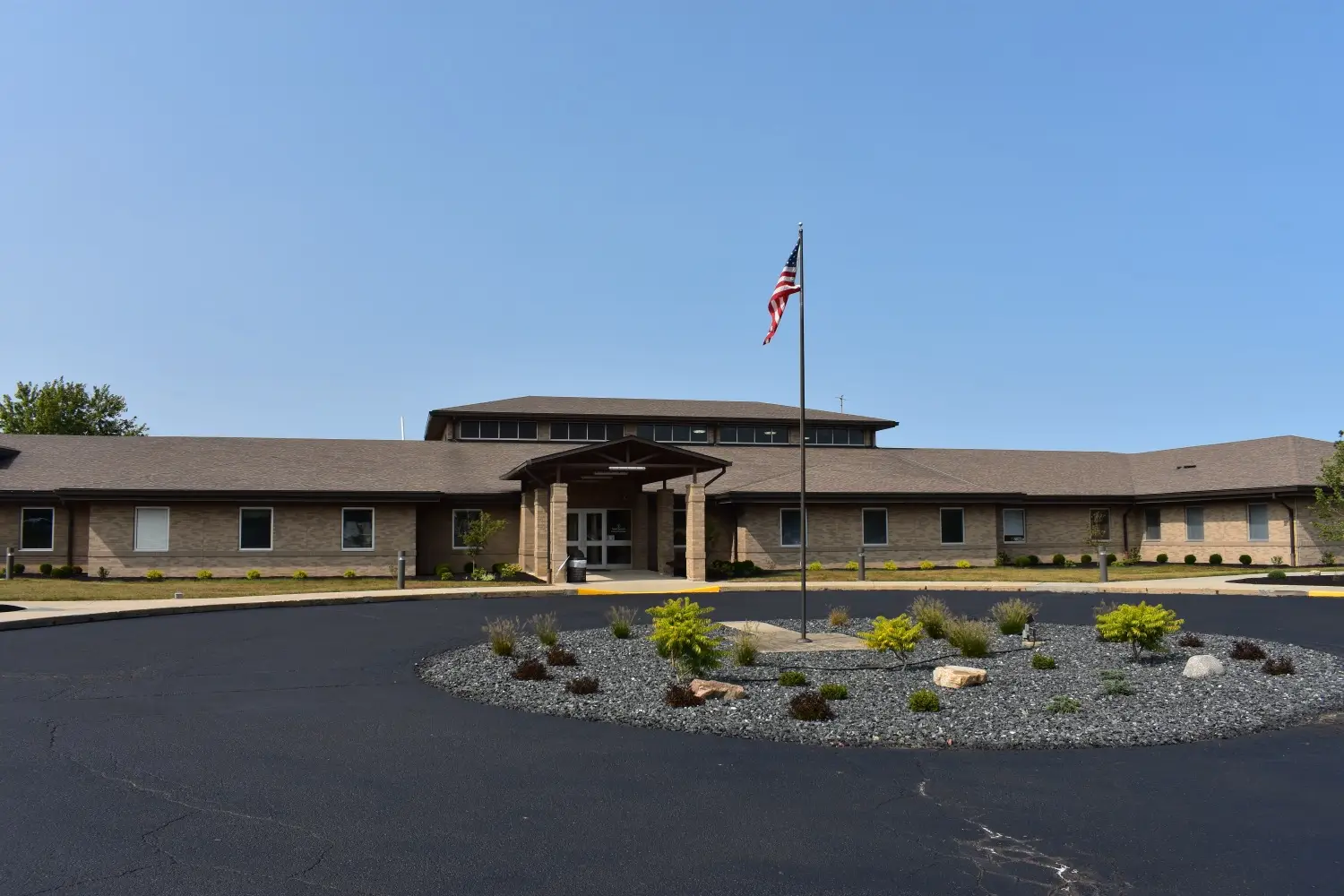
Our 14-acre residential campus in Connersville, Indiana, offers evidence-based therapies within a luxurious, healing environment. We specialize in treating anxiety, depression, PTSD, bipolar disorder, and addiction—conditions that often complicate relationship dynamics. Moreover, our team understands the intricate connections between individual mental health and relationship well-being.
Don’t let another day pass watching your relationship deteriorate. Contact us today to verify your insurance benefits and begin your journey toward healing. Together, we’ll chart your path forward—whether through marriage counseling, couples therapy, or comprehensive mental health treatment.
Your relationship’s crossroads doesn’t have to lead to a dead end. With the right support, it can become the turning point toward deeper connection, understanding, and lasting wellness.
Sources
[1] Makinen, J.A., & Johnson, S.M. (2006). Resolving attachment injuries in couples using emotionally focused therapy: steps toward forgiveness and reconciliation. Journal of Consulting and Clinical Psychology, 74(6), 1055-64. https://pubmed.ncbi.nlm.nih.gov/17154735/
[2] Fals-Stewart, W., O’Farrell, T.J., & Birchler, G.R. (2004). Behavioral Couples Therapy for Substance Abuse: Rationale, Methods, and Findings. Science & Practice Perspectives, 2(2), 30-41. https://pmc.ncbi.nlm.nih.gov/articles/PMC2851021/
[3] U.S. Department of Health and Human Services. Does the Affordable Care Act cover individuals with mental health problems? https://www.hhs.gov/answers/health-insurance-reform/does-the-aca-cover-individuals-with-mental-health-problems/index.html