





Alcohol Addiction Treatment
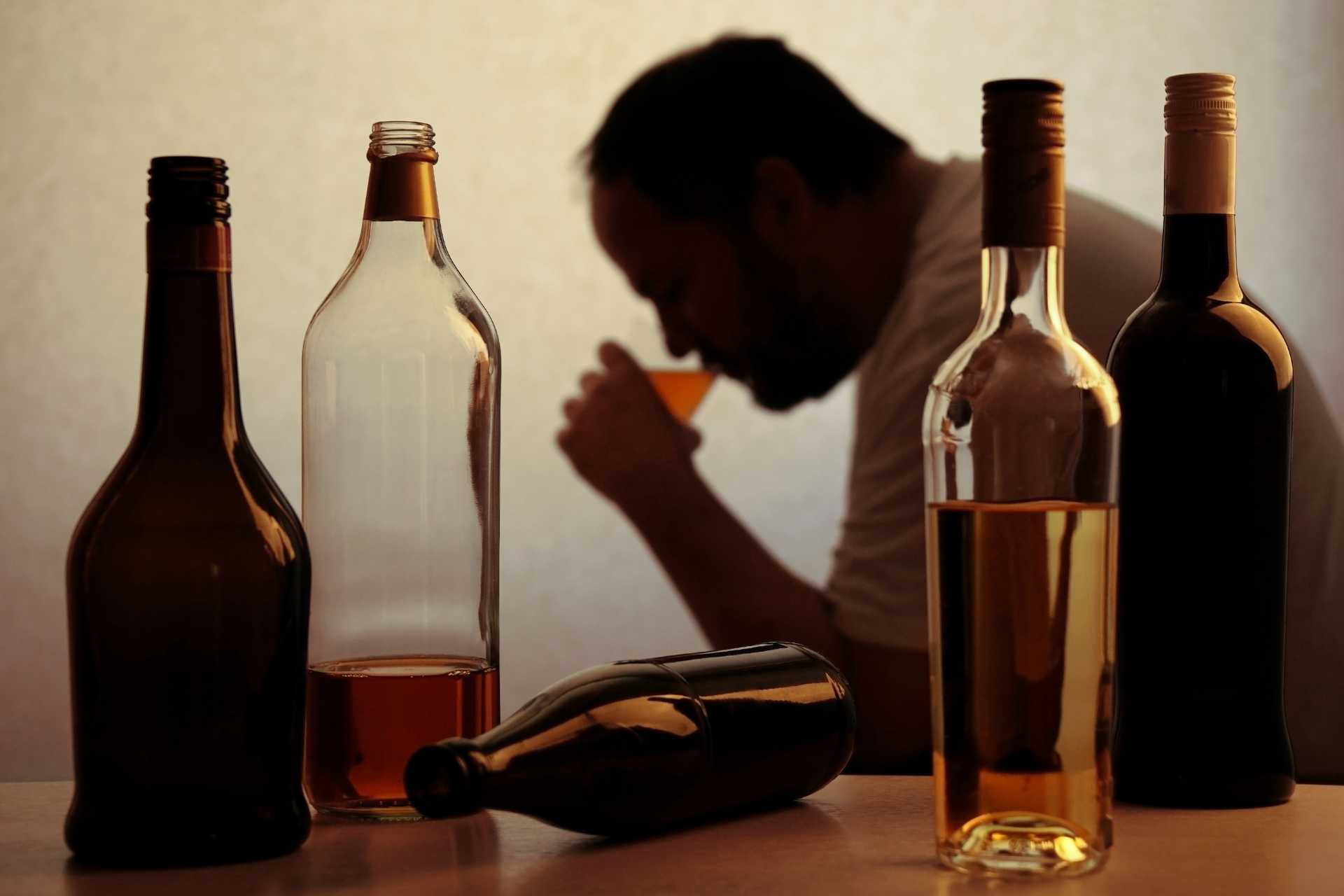
Alcohol addiction can affect nearly every part of life, from physical health and emotional stability to relationships and career responsibilities. What may begin as occasional drinking can gradually become a pattern that feels difficult to control.
For many individuals, alcohol becomes a way to cope with stress, trauma, or mental health issues. Over time, however, dependence can develop, making it increasingly difficult to stop without professional support.
Alcohol addiction treatment provides a structured environment where individuals can safely stop drinking while addressing the deeper factors that contribute to substance use.
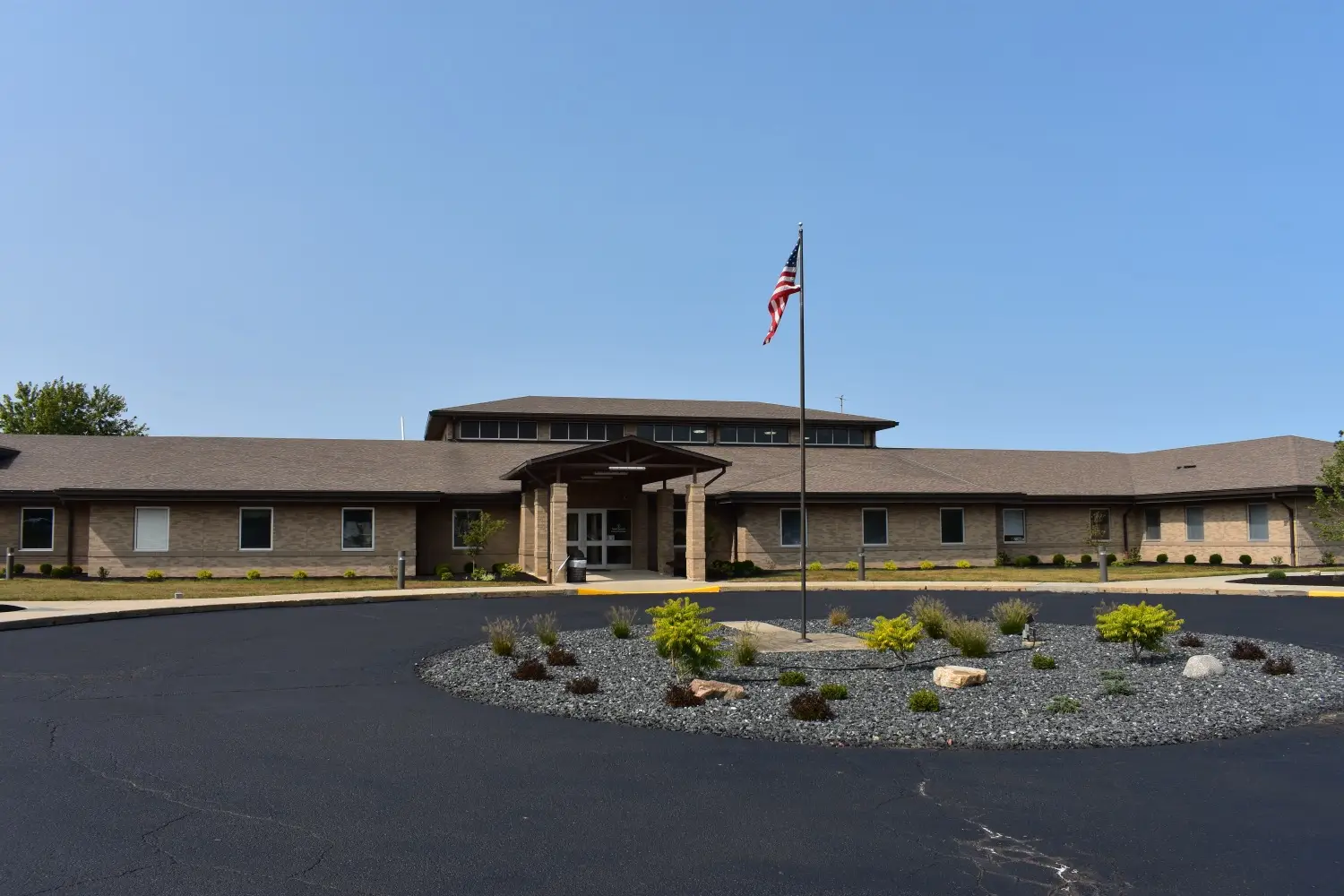
At Crossroads Healing Centers in Indiana, you can find luxury residential treatment programs designed to address both addiction and the mental health issues that often accompany it.
What Is Dual Diagnosis Treatment?
Dual diagnosis treatment is a type of care that treats both a substance use disorder and a mental health condition at the same time.
These conditions often influence each other. For example, someone may use substances to cope with anxiety or depression, while substance use can worsen mental health symptoms over time.
Instead of treating each issue separately, dual diagnosis care at Crossroads combines therapies and support into one coordinated plan.
This approach helps individuals:
- Address the root causes of substance use
- Improve emotional stability
- Reduce the risk of relapse
- Build healthier coping strategies
Treating both conditions together leads to more sustainable recovery outcomes.
Understanding Alcohol Addiction
Alcohol use disorder (AUD) is a medical condition that affects the brain and behavior. As alcohol use increases, the brain begins to rely on alcohol to trigger feelings of relaxation or reward.
Over time, tolerance develops, meaning individuals need to drink more to achieve the same effects. Eventually, the brain adapts to alcohol’s presence, which can lead to withdrawal symptoms when someone tries to stop drinking. The body’s need for alcohol is called dependence. The mental obsession and compulsion to drink (or use drugs) is called addiction. Dependence and addiction most often occur together.
Common signs of alcohol addiction include:
- Drinking more or longer than intended
- Difficulty cutting back on alcohol use
- Strong cravings or urges to drink
- Continuing to drink despite negative consequences
- Withdrawal symptoms when not drinking
- Neglecting responsibilities or relationships
Without treatment, alcohol addiction can worsen over time. With the right support, however, recovery is possible.
Why Professional Alcohol Addiction Treatment Matters
Many people try to stop drinking on their own. While some succeed, others find that withdrawal symptoms, emotional triggers, and cravings make it extremely difficult. This is where alcohol addiction treatment can be most helpful.
Alcohol withdrawal can sometimes produce serious symptoms such as:
- Anxiety or agitation
- Tremors or shaking
- Nausea and vomiting
- Sweating and insomnia
- Increased heart rate
- Seizures in severe cases
Because withdrawal can become medically dangerous, many individuals benefit from detox and structured care that provides clinical support during early recovery.
Professional treatment programs also address the psychological and behavioral aspects of addiction, helping individuals build the skills needed for lasting sobriety.
Alcohol Detox and Stabilization
For individuals with physical dependence on alcohol, treatment often begins with detoxification.
Detox helps the body safely eliminate alcohol while medical professionals monitor symptoms and provide supportive care. This stage focuses on stabilization and preparing individuals for the therapeutic work that follows.
At Crossroads Healing Centers, detox and stabilization services are designed to ensure comfort and safety during the early stages of alcohol addiction recovery.

A Whole-Person Approach to Alcohol Addiction Treatment
Alcohol addiction rarely develops in isolation. Many individuals struggling with alcohol use also experience mental health conditions such as anxiety, depression, trauma, or chronic stress.
Because of this, effective treatment focuses on the whole person rather than only the substance use.
Crossroads Healing Centers provides dual diagnosis treatment, addressing both addiction and underlying mental health concerns at the same time. This integrated approach helps individuals develop healthier coping strategies while reducing the risk of relapse.
The program also emphasizes trauma-informed care, recognizing that past experiences can play a major role in substance use patterns.
Evidence-Based Therapy and Innovative Treatments for Alcohol Addiction
Recovery from alcohol addiction often involves a combination of therapies that help individuals understand their behaviors and develop healthier coping strategies.
Treatment at Crossroads Healing Centers may include:
- Individual therapy, where clients work one-on-one with a therapist to explore personal challenges and recovery goals
- Group therapy, which provides peer support and shared learning experiences
- Family support, helping rebuild communication and strengthen relationships affected by addiction
- Psychiatric care, offering professional evaluation and medication management when appropriate
In addition to traditional therapy, Crossroads Healing Centers also incorporates innovative wellness therapies, including:
- Red light therapy
- Virtual reality therapy
- Customized nutrition planning
- Genetics testing
- Integrative medicine services
These advanced treatment options support both mental and physical healing throughout the recovery process.

A Healing Environment Designed for Alcohol Recovery
The environment in which treatment takes place can significantly influence the recovery experience.
Crossroads Healing Centers has created a campus designed specifically to promote comfort, safety, and emotional healing. Clients receive care in a peaceful setting that includes modern accommodations and wellness-focused amenities.
Features of the campus include:
- Semi-private en-suite rooms
- A modern kitchen and dining space
- Walking paths and outdoor lounge areas
- Fitness facilities and recreational spaces
- Private transportation services
These amenities help create a supportive atmosphere where individuals can focus fully on alcohol recovery.
Building the Foundation for Long-Term Sobriety
Recovery from alcohol addiction is not only about stopping drinking, but about learning new ways to manage life’s challenges.
During treatment, individuals develop skills that support long-term sobriety, including:
- Identifying triggers for alcohol use
- Practicing stress management techniques
- Improving emotional regulation
- Strengthening communication and relationships
- Creating healthy routines and lifestyle habits
These skills help individuals maintain progress long after treatment ends.

Find Quality Alcohol Addiction Treatment in Indiana
Seeking help for alcohol addiction can feel overwhelming, but the right treatment program can provide the support needed to begin a healthier future.
At Crossroads Healing Centers, compassionate clinicians, innovative therapies, and individualized treatment plans help people take meaningful steps toward recovery.
If you or someone you love is struggling with alcohol addiction, reaching out for professional support may be the first step toward lasting change.
Reach out to our admissions specialists to learn about our tranquil, luxury residential program for alcohol use.
Sources:
- Alcohol’s Effects on Health — National Institute on Alcohol Abuse and Alcoholism (NIAAA)
- Alcohol Use Disorder — MedlinePlus