




Introduction
When the weight of trauma lingers like an unwelcome shadow, finding the right path to healing becomes paramount. The landscape of trauma therapy has evolved dramatically over recent decades, offering various evidence-based approaches that address psychological wounds with precision and compassion. At Crossroads Healing Center, we understand that each person’s journey through trauma is distinctly their own—which is why exploring different types of therapy for trauma is essential to your recovery.
The human mind possesses a remarkable capacity for resilience. However, traumatic experiences can disrupt this natural equilibrium, leaving lasting imprints that affect daily functioning, relationships, and overall well-being. Fortunately, modern psychotherapy for trauma has developed sophisticated methodologies that help individuals process difficult memories, regulate emotions, and reclaim their lives. Whether you’re seeking treatment for childhood trauma, PTSD from recent events, or emotional trauma that’s accumulated over time, understanding your options empowers you to make informed decisions about your healing journey.

Types of Trauma Therapy to Consider
Navigating the world of trauma therapies can feel overwhelming initially. Nevertheless, each therapeutic approach offers unique benefits tailored to different aspects of trauma recovery. Research consistently demonstrates that certain trauma therapy types show exceptional efficacy in helping individuals process traumatic memories and develop healthier coping mechanisms.
The best therapy for trauma often depends on your specific symptoms, personal preferences, and the nature of your traumatic experiences. Consequently, working with trained professionals who can assess your individual needs becomes crucial. At our Indiana facility, we offer comprehensive evaluations to determine which trauma treatment modalities align best with your recovery goals.
Cognitive Behavioral Therapy (CBT)
As one of the most extensively researched forms of therapy for trauma, Cognitive Behavioral Therapy addresses the connection between thoughts, feelings, and behaviors. This evidence-based approach helps you identify negative thought patterns that emerged from traumatic experiences. Through structured sessions, CBT equips you with practical tools to challenge distorted thinking and develop more adaptive responses to triggers [1].
The American Psychological Association recognizes CBT as a first-line treatment for various trauma-related conditions. Moreover, this therapy modality proves particularly effective for individuals who prefer a goal-oriented, structured approach to healing. By focusing on present-day challenges rather than exclusively dwelling on past events, CBT offers tangible skills you can apply immediately in your daily life.

Trauma-Focused Cognitive Behavior Therapy (TF-CBT)
Building upon traditional CBT principles, Trauma-Focused Cognitive Behavior Therapy specifically targets the unique needs of trauma survivors. This specialized approach incorporates trauma-sensitive techniques while maintaining the structured framework that makes CBT effective. Research published in JAMA Psychiatry highlights TF-CBT’s remarkable success rates, particularly for individuals dealing with childhood trauma [3].
TF-CBT integrates psychoeducation, relaxation skills, and gradual exposure techniques. Additionally, this approach addresses shame and guilt—emotions that frequently accompany traumatic experiences. The therapy also includes a caregiver component when appropriate, recognizing that healing often occurs within a supportive relational context.
Eye Movement Desensitization and Reprocessing Therapy (EMDR)
Perhaps one of the most innovative trauma therapy techniques, EMDR has revolutionized how we understand trauma processing. This approach utilizes bilateral stimulation—typically eye movements—while you recall traumatic memories. Interestingly, this process appears to help your brain reprocess traumatic experiences in a way that reduces their emotional intensity.
The efficacy of EMDR for PTSD treatment has been documented across numerous studies. According to research published in the Cochrane Database of Systematic Reviews, EMDR demonstrates comparable effectiveness to other trauma-focused interventions [7]. Unlike traditional talk therapy, EMDR doesn’t require extensive verbal descriptions of traumatic events, making it particularly suitable for individuals who find it difficult to articulate their experiences.
Cognitive Processing Therapy (CPT)
Specifically designed for PTSD treatment, Cognitive Processing Therapy focuses on challenging and modifying unhelpful beliefs related to traumatic events. This structured approach typically involves 12 sessions where you learn to identify “stuck points”—problematic beliefs that keep you trapped in trauma-related distress.
CPT helps you understand how trauma has affected your thinking patterns about safety, trust, control, esteem, and intimacy. Through written assignments and discussion, you gradually develop more balanced perspectives. Research indicates that CPT ranks among the best therapies for trauma, particularly for individuals who struggle with self-blame or guilt [1].
Prolonged Exposure Therapy (PE)
Though the concept of confronting traumatic memories might initially seem daunting, Prolonged Exposure Therapy operates on the principle that avoidance perpetuates trauma symptoms. This evidence-based approach involves gradual, repeated exposure to trauma-related memories, situations, and feelings in a safe, controlled environment.
Studies demonstrate PE’s effectiveness for various types of trauma therapy, including combat-related PTSD and assault-related trauma. The therapy helps reduce the power traumatic memories hold over you. Furthermore, PE teaches your nervous system that the trauma is in the past and no longer poses an immediate threat [1][4].
Somatic Therapy
Recognizing that trauma doesn’t exist solely in the mind, somatic therapy addresses the body’s role in storing traumatic experiences. This approach acknowledges that trauma often manifests through physical symptoms—tension, pain, digestive issues, or chronic fatigue. Somatic interventions help you develop awareness of bodily sensations and release stored trauma through movement, breathing, and mindful attention.
This body-centered approach complements other trauma therapy modalities beautifully. Research suggests that integrating somatic techniques enhances overall treatment outcomes, particularly for individuals who experience significant physical symptoms related to their trauma [2]. At Crossroads Healing Center, we incorporate somatic awareness into our comprehensive treatment programs.
Internal Family Systems Therapy
Internal Family Systems (IFS) offers a unique lens for understanding trauma’s impact on personality structure. This approach views the psyche as composed of multiple “parts,” each with distinct perspectives and roles. Trauma can cause these parts to become polarized or stuck in protective patterns that once served a purpose but now create distress.
IFS therapy helps you access your core “Self”—the calm, compassionate center of your being—which can then heal wounded parts carrying traumatic burdens. This approach proves particularly beneficial for complex trauma and childhood trauma therapy for adults. The gentle, non-pathologizing nature of IFS resonates with individuals seeking a compassionate framework for understanding their experiences [5].
Narrative Exposure Therapy
For individuals who have experienced multiple traumatic events, Narrative Exposure Therapy offers a structured way to create a coherent life narrative. This approach helps you construct a chronological account of your entire life, with particular attention to traumatic experiences and positive memories.
The process of creating this narrative helps integrate fragmented traumatic memories into your broader life story. Subsequently, this integration reduces the distressing symptoms that arise when traumatic memories remain disconnected and overwhelming. Research indicates particular effectiveness for refugees and individuals who have experienced prolonged or repeated trauma [6].
Additional Trauma Therapy Resources
Beyond these primary trauma treatment modalities, several complementary approaches can enhance your healing journey. Art therapy, music therapy, and equine-assisted therapy provide alternative avenues for processing trauma, particularly when verbal communication feels challenging. These creative therapies engage different parts of the brain and can unlock healing that traditional talk therapy might not access.
Mindfulness-based interventions have also gained recognition as valuable trauma therapy techniques. These practices help you develop present-moment awareness and emotional regulation skills. Additionally, group therapy offers unique benefits—the opportunity to connect with others who understand your struggles, reducing the isolation that trauma often creates.

Finding Trauma-Informed Therapy at Crossroads Healing
At Crossroads Healing Center, our approach to trauma treatment integrates evidence-based practices with compassionate, individualized care. Our team of experienced clinicians recognizes that healing from trauma requires more than just applying therapeutic techniques—it demands creating a safe environment where you feel truly seen and supported.
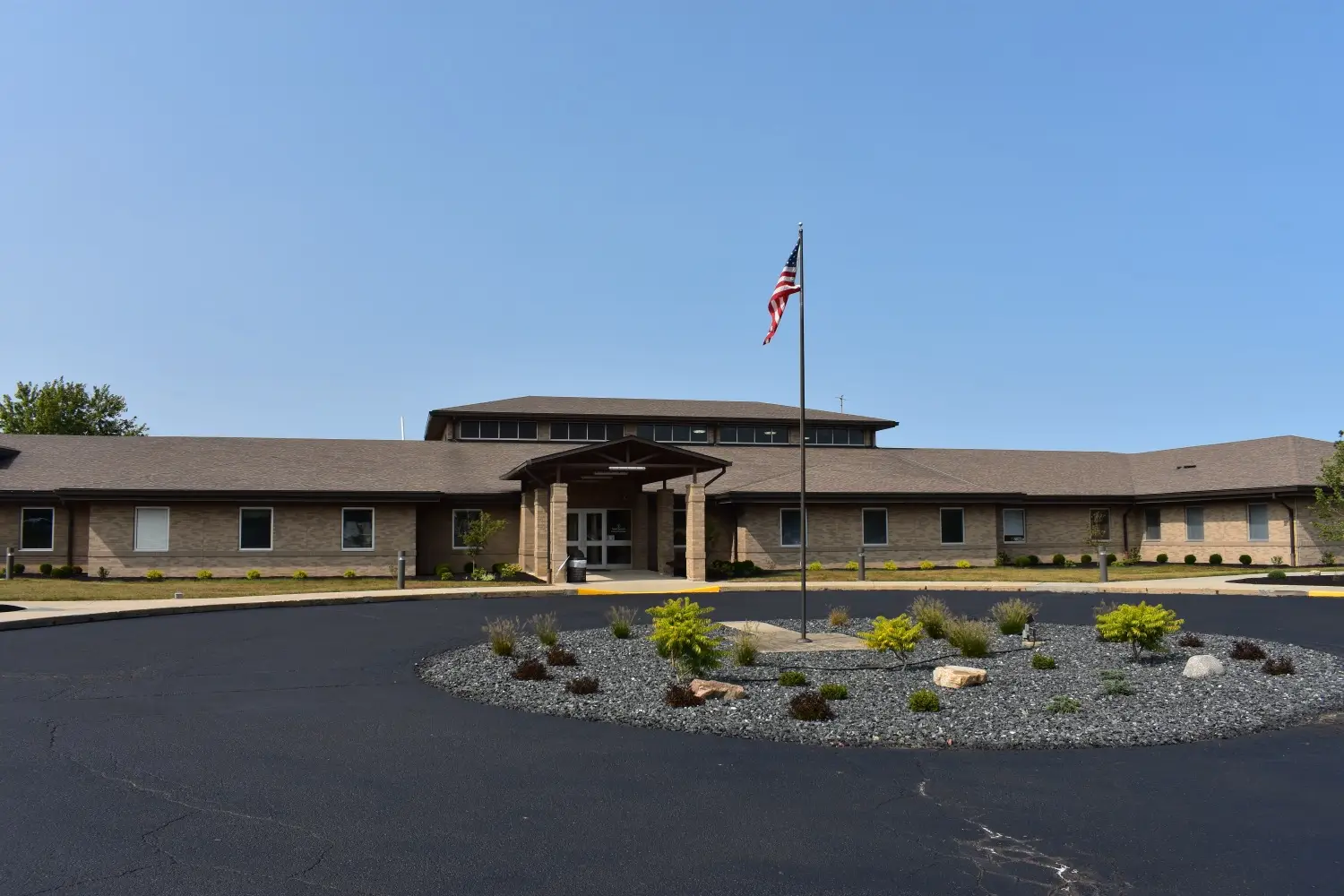
Located on a serene 14-acre campus in Connersville, Indiana, our facility offers comprehensive trauma therapy programs including inpatient treatment, crisis stabilization, and partial hospitalization options. We utilize multiple trauma-informed therapy modalities, allowing us to tailor treatment to your specific needs. Our trauma therapists receive specialized training in various evidence-based approaches, ensuring you receive the highest quality care.
Whether you’re seeking treatment for PTSD, childhood trauma, or emotional trauma, we’re here to walk alongside you. Our integrated approach addresses not only psychological healing but also physical wellness, nutritional support, and holistic recovery. We accept most major insurance plans and offer 24/7 admissions support because we understand that the decision to seek help can’t always wait for business hours.
Frequently Asked Questions
What is the most effective trauma therapy? Research suggests that several trauma therapy types demonstrate strong effectiveness, including EMDR, CPT, PE, and TF-CBT. The most effective therapy for trauma varies by individual, depending on your specific symptoms, trauma history, and personal preferences. Working with trained professionals who can assess your unique situation helps determine the best approach for your recovery journey.
How long does trauma therapy typically take? Treatment duration varies significantly based on the complexity of your trauma, the specific therapy modality used, and your individual progress. Some approaches like CPT follow a structured 12-session format, while others remain more flexible. Many individuals experience noticeable improvement within several months, though healing from complex or childhood trauma may require longer-term support.
Can trauma therapy help with childhood trauma experienced years ago? Absolutely. Trauma therapies prove effective regardless of how long ago the traumatic events occurred. Many adults successfully process childhood trauma through approaches like TF-CBT, EMDR, or IFS. The brain retains plasticity throughout life, meaning healing remains possible even decades after traumatic experiences.
What’s the difference between trauma therapy and regular therapy? Trauma-informed therapy specifically addresses how traumatic experiences affect brain functioning, emotional regulation, and behavior patterns. These specialized approaches incorporate trauma-specific techniques like exposure work, trauma processing, and nervous system regulation. While general therapy can be helpful, trauma-specific modalities target the unique ways trauma impacts psychological functioning.
Do I need inpatient treatment for trauma, or can outpatient therapy work? The appropriate level of care depends on several factors including symptom severity, safety concerns, co-occurring conditions, and support system strength. Inpatient treatment provides intensive, structured support beneficial for severe PTSD, suicidal ideation, or when trauma symptoms significantly impair daily functioning. Partial hospitalization and outpatient therapy offer effective alternatives for individuals with stable living situations and less acute symptoms.
Conclusion
The journey toward healing from trauma begins with a single courageous step—acknowledging that you deserve support and recovery is possible. Understanding the different types of therapy for trauma empowers you to make informed decisions about your treatment path. Each approach we’ve explored offers unique benefits, and the best trauma therapy for you may involve integrating multiple modalities.
At Crossroads Healing Center, we recognize that trauma doesn’t define who you are—it’s simply something you’ve experienced. Our comprehensive programs combine evidence-based trauma therapies with compassionate care in a supportive environment designed for healing. Whether you’re dealing with recent traumatic events or processing wounds from your past, specialized help is available.
Your story doesn’t end with trauma—in fact, your most authentic chapter may just be beginning. Contact us today to learn how our trauma-informed programs can support your journey toward recovery and reclaiming the life you deserve.
References
[1] American Psychological Association. (2017). Clinical Practice Guideline for the Treatment of PTSD. – https://www.apa.org/ptsd-guideline/treatments
[2] Palo Alto University. (2021). Trauma-Focused Therapy Techniques. – https://paloaltou.edu/resources/business-of-practice-blog/trauma-focused-therapy-techniques
[3] Roberts, N. P., Roberts, P. A., Jones, N., & Bisson, J. I. (2015). Psychological interventions for post-traumatic stress disorder and comorbid substance use disorder: A systematic review and meta-analysis. JAMA Psychiatry, 72(6), 597-606. – https://jamanetwork.com/journals/jamapsychiatry/fullarticle/2735127
[4] American Psychological Association. (2017). Clinical Practice Guideline for PTSD. – https://www.apa.org/ptsd-guideline
[5] Schwartz, R. C. (2004). Incorporating EMDR into the Family Systems Model. In A. H. Fine (Ed.), Handbook on animal-assisted therapy: Theoretical foundations and guidelines for practice (2nd ed., pp. 167-206). San Diego, CA: Academic Press. – https://psycnet.apa.org/doiLanding?doi=10.1037%2F0033-3204.41.4.412
[6] Ehlers, A., & Clark, D. M. (2000). A cognitive model of posttraumatic stress disorder. Behaviour Research and Therapy, 38(4), 319-345. – https://onlinelibrary.wiley.com/doi/10.1002/ebch.1916
[7] Chen, Y. R., Hung, K. W., Tsai, J. C., Chu, H., Chung, M. H., Chen, S. R., Liao, Y. M., Ou, K. L., Chang, Y. C., & Chou, K. R. (2014). Efficacy of eye-movement desensitization and reprocessing for patients with posttraumatic-stress disorder: A meta-analysis of randomized controlled trials. Cochrane Database of Systematic Reviews. – https://www.cochranelibrary.com/cdsr/doi/10.1002/14651858.CD003388.pub4/full