




Heroin Addiction Treatment
- Medically Reviewed By: Megan Fisher, LCSW
- Reviewed On:
Heroin addiction can develop quickly and overtake anyone’s ability to manage. It’s not important how a person became addicted to heroin—whether it was experimentation, or a consequence of an opioid pain medication dependence that got out of control.
What matters is the recognition that addiction cannot be controlled and accepting help is the only safe way forward.
How Treatment for Heroin Addiction Makes the Difference
Heroin addiction treatment provides a structured, supportive environment where recovery can begin safely while addressing both the physical and emotional effects of opioid use.
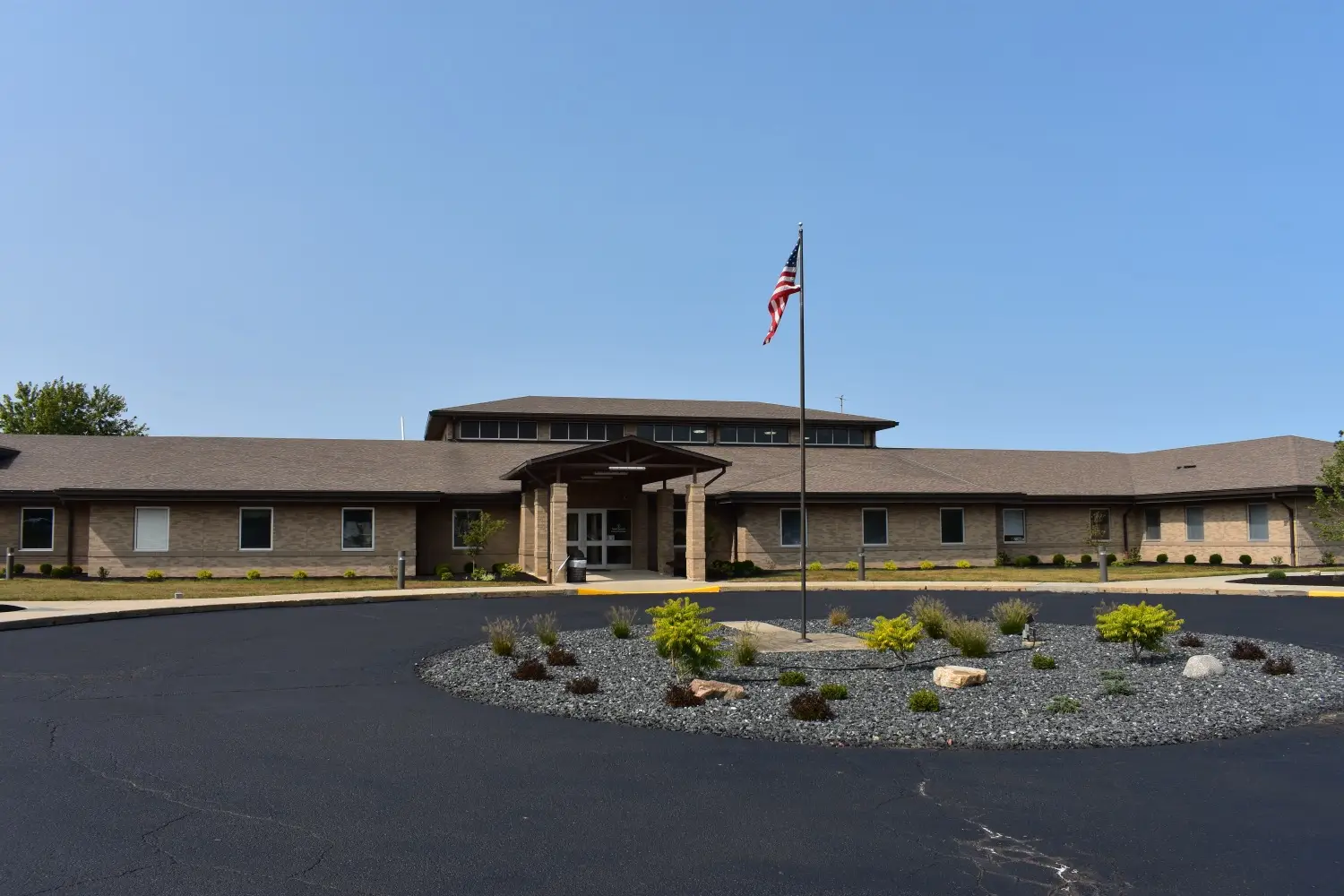
Crossroads Healing Centers’ Indiana alcohol and drug rehab offers comprehensive support for lasting recovery from heroin addiction.
Understanding Heroin Addiction
Heroin is an opioid derived from morphine that affects the brain’s reward system, pain response, and emotional regulation.
With repeated use, the brain begins to rely on heroin to function normally. This can lead to both physical dependence, where the body requires the drug, and addiction, where use continues despite negative consequences.
Heroin use disorder often develops over time, but its effects can become severe quickly.
Common signs of heroin addiction may include:
- Using more heroin and/or taking greater risks with use
- Unsuccessful attempts to quit using or cut down
- Powerful cravings that override willpower
- Withdrawal symptoms when not using heroin
- Heroin becoming more important than responsibilities, work, family.
- Unusual changes in mood, behavior, or physical health
Without treatment, heroin addiction almost inevitably becomes worse and the risks associated with it are extremely serious, even deadly.
Why Treatment for Heroin Addiction is So Important
Many people try to stop using heroin on their own, but withdrawal symptoms and cravings can make this nearly impossible without medical support and counseling.
Substance abuse treatment helps break the heroin addiction cycle by first addressing withdrawal with a safety and comfort-focused medical detox, then supporting
Heroin withdrawal may include:
- Muscle aches and restlessness
- Nausea, vomiting, or stomach discomfort
- Sweating and chills
- Anxiety or irritability
- Trouble sleeping
- Intense cravings
While heroin withdrawal is not usually life-threatening, it can be highly uncomfortable. This often increases the risk of returning to use without support.
Professional treatment provides medical supervision, structure, and support, helping you move through withdrawal and into recovery more safely.
Heroin Detox and Stabilization
For many individuals, treatment begins with detox and stabilization.
A heroin detox helps by managing withdrawal symptoms in a controlled, supportive setting. Clinicians monitor your vitals and provide care to reduce discomfort and support a safe stepdown from opioids.
A medical detox is almost always the first step in heroin treatment, but it should never be the last. Detox addresses only the physical aspects of opioid dependence. In order to remain drug-free for the long haul, treatment for the psychological aspects of addiction is necessary.
A Whole-Person Approach to Heroin Addiction Treatment
Heroin addiction can be connected to underlying mental health conditions such as anxiety, depression, or trauma. Whether the heroin or the psychiatric condition came first, dual diagnosis treatment is the answer.
Addressing substance use alone isn’t always enough for lasting recovery.
Crossroads Healing Centers uses a dual diagnosis approach, treating both addiction and co-occurring mental health conditions at the same time.
This approach helps you:
- Understand the connection between mental health and substance use
- Develop healthier coping strategies
- Improve emotional regulation
- Reduce the risk of relapse
Care is also trauma-informed, recognizing how past experiences can influence substance use patterns.

Therapy & Inpatient Treatment for Heroin Addiction
Recovery involves more than physical stabilization. It requires learning new ways to manage stress, thoughts, and behaviors.
Treatment for heroin use disorder may include:
- Individual therapy to explore personal experiences and goals
- Group therapy to build connection and peer support
- Family support to strengthen relationships
- Psychiatric care, including evaluation and medication management
These therapies help address both the behavioral and emotional aspects of addiction.
For individuals with more severe heroin use or repeated relapse, inpatient treatment can be an important next step. Crossroads’ inpatient treatment program in Indiana provides 24/7 structured care in a live-in setting, allowing a full focus on recovery.
This level of support includes consistent clinical oversight, therapy throughout the day, and a stable environment designed to promote healing.
By removing outside distractions and providing round-the-clock care, residential treatment helps create the foundation needed for early recovery, especially when cravings, withdrawal, or co-occurring mental health concerns are difficult to manage alone.
A Supportive Environment for Heroin Recovery
A structured, supportive environment can make a meaningful difference during substance abuse treatment.
Crossroads Healing Centers provides a setting designed to promote stability, focus, and healing.
This environment allows you to step away from daily stressors and fully engage in recovery while building new habits and routines.


Building Skills for Long-Term Heroin Recovery
Recovery from heroin addiction is an ongoing process that extends beyond initial treatment.
During treatment, you will develop skills such as:
- Identifying triggers and high-risk situations
- Managing cravings and emotional responses
- Building healthy routines and structure
- Strengthening communication and relationships
- Practicing relapse prevention strategies
These tools support long-term recovery and help you navigate life after treatment.
Heroin Addiction Recovery Begins With Action
Starting treatment for heroin addiction can feel like a big step, but it is also a powerful one.
At Crossroads Healing Centers, care is personalized to your needs through a combination of medical support, therapy, and comprehensive treatment services.
If you or someone you love is struggling with heroin addiction, don’t let another day of suffering go by. Take action. Contact us for support and solutions today.
Sources:
- Heroin DrugFacts — National Institute on Drug Abuse
- Treatment of Opioid Use Disorder — Centers for Disease Control and Prevention