





Fentanyl Addiction Treatment
- Medically Reviewed By: Megan Fisher, LCSW
- Reviewed On:
Fentanyl addiction can develop quickly and often comes with serious health risks due to the drug’s extreme potency. What may begin as prescribed use or accidental exposure can rapidly lead to dependence that feels difficult to manage alone.
Because fentanyl is so powerful, even small amounts can affect breathing, brain function, and overall safety. This makes professional treatment especially important for those struggling with use.
Fentanyl addiction treatment offers a structured, supportive setting where individuals can safely begin recovery while addressing the physical and emotional aspects of addiction.
At Crossroads Healing Centers in Indiana, our inpatient addiction treatment programs support both substance use recovery and long-term mental health.
Understanding Fentanyl Addiction
Fentanyl is a synthetic opioid that is significantly stronger than many other opioids. It is often prescribed for severe pain, but it is also commonly found in illicit drug supplies, sometimes without a person’s knowledge.
Fentanyl use disorder affects how the brain regulates pain, reward, and motivation. Over time, the brain adapts to the presence of the drug, making it increasingly difficult to function without it.
This can lead to both physical dependence and addiction. Dependence means the body relies on fentanyl, while addiction involves ongoing use despite harmful consequences.
Common signs of fentanyl addiction may include:
- Using fentanyl or other substances more often than intended
- Difficulty reducing or stopping use
- Strong cravings or urges to use
- Withdrawal symptoms when not using
- Continued use despite health or personal consequences
- Changes in mood, behavior, or daily responsibilities
Without support, fentanyl addiction can escalate quickly. With the right care though, recovery is possible.
Why Professional Fentanyl Addiction Treatment Matters
Many individuals attempt to stop using fentanyl on their own, but withdrawal symptoms and cravings can make this extremely difficult.
Fentanyl withdrawal may include:
- Muscle pain and restlessness
- Nausea, vomiting, or digestive issues
- Sweating and chills
- Anxiety or agitation
- Difficulty sleeping
- Intense drug cravings
Because fentanyl is so potent, withdrawal symptoms can feel especially intense. This discomfort often increases the risk of returning to use without support.
Professional treatment provides medical supervision, symptom management, and a stable environment where you can begin recovery more safely and comfortably.
Fentanyl Detox and Stabilization
For many individuals, fentanyl addiction treatment begins with detox and stabilization.
Detox focuses on helping your body clear fentanyl while managing withdrawal symptoms under medical supervision. This stage helps restore physical balance and prepares you for ongoing treatment.
At Crossroads Healing Centers, detox and stabilization services are designed with safety and comfort in mind. Medical professionals monitor your progress and provide supportive care throughout the process.
This approach helps ease withdrawal symptoms and creates a smoother transition into the next phase of recovery.
A Whole-Person Approach to Fentanyl Addiction Treatment
Fentanyl addiction is often connected to underlying mental health concerns such as anxiety, depression, trauma, or chronic stress. Addressing substance use alone may not be enough for lasting recovery.
Crossroads Healing Centers uses a dual diagnosis model, treating both addiction and co-occurring mental health conditions at the same time.
This comprehensive treatment approach helps you:
- Understand how mental health and substance use are connected
- Develop healthier ways to cope with stress and emotions
- Reduce the likelihood of relapse
- Build long-term emotional stability
Treatment is also trauma-informed, recognizing how past experiences can influence substance use patterns and recovery.

Evidence-Based Therapy and Innovative Treatments for Fentanyl Addiction
Recovery from fentanyl addiction involves more than physical stabilization. It requires learning new ways to manage thoughts, emotions, and daily challenges.
At Crossroads Healing Centers,treatment includes a combination of evidence-based therapies and advanced approaches, such as:
- Individual therapy to explore personal experiences and recovery goals
- Group therapy to build connection and peer support
- Family support to strengthen relationships and communication
- Psychiatric care, including evaluation and medication management when appropriate
In addition to traditional therapies, Crossroads offers innovative services, including:
- Red light therapy
- Virtual reality therapy
- Personalized nutrition planning
- Genetic testing
- Integrative medicine services
These services support both physical healing and emotional well-being, creating a more comprehensive recovery experience.
A Healing Environment Designed for Fentanyl Recovery
Your surroundings can play a meaningful role in the recovery process.
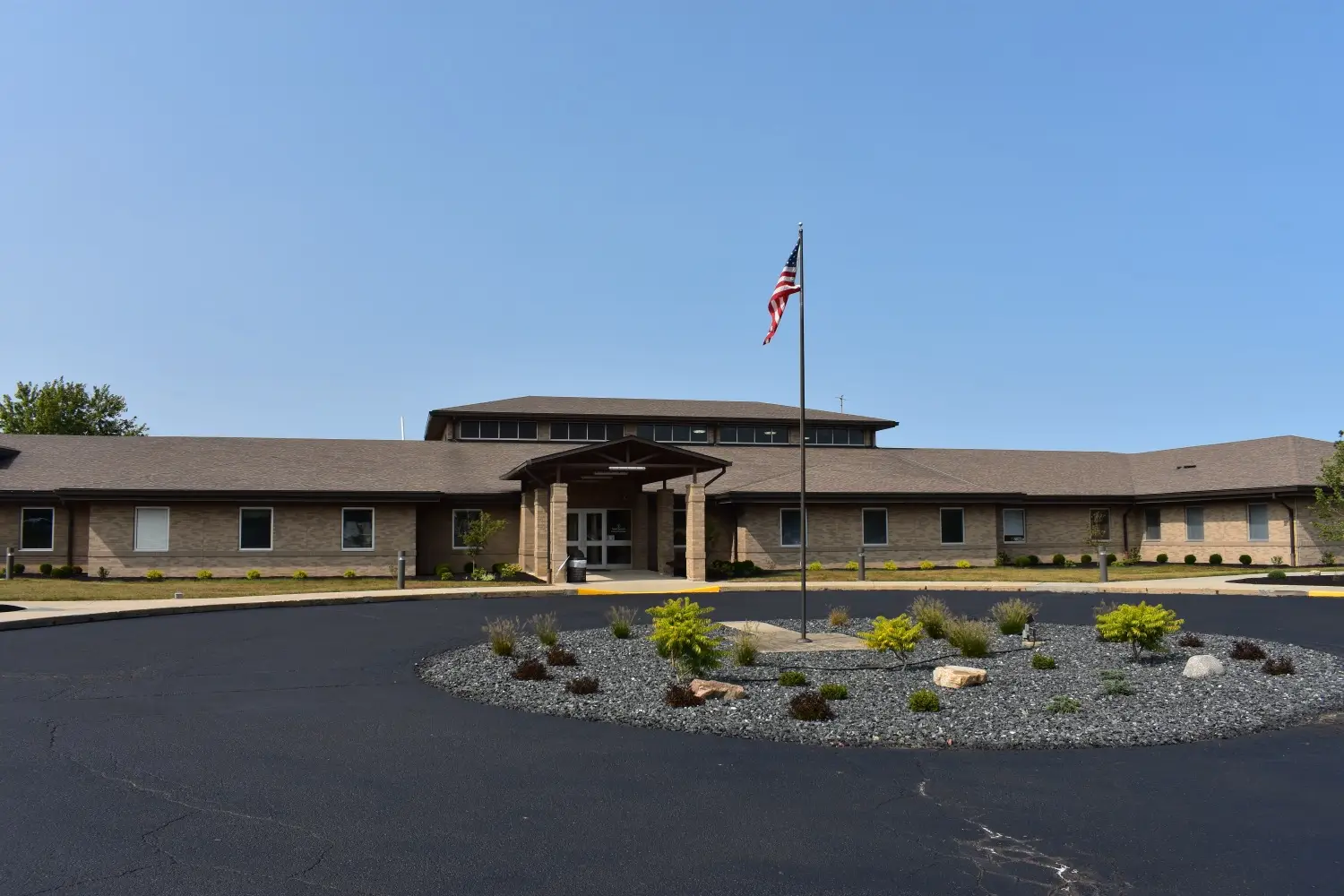
Crossroads Healing Centers provides a structured, supportive environment where you can focus fully on healing. The campus is designed to promote comfort, safety, and stability during treatment.
Features include:
- Semi-private en-suite accommodations
- A fully equipped kitchen and dining space
- Outdoor areas for relaxation and reflection
- Fitness and recreational amenities
- Transportation support when needed
This setting helps create a sense of stability while you work toward fentanyl recovery.


Building a Strong Foundation for Long-Term Opioid Recovery
Recovery from fentanyl addiction involves more than stopping use. It requires developing the skills and habits needed to maintain progress over time.
During fentanyl addiction treatment, you will build tools such as:
- Identifying triggers and high-risk situations
- Managing stress and emotional responses
- Strengthening communication skills
- Creating healthy daily routines
- Practicing relapse prevention strategies
These skills help support long-term recovery and make it easier to navigate challenges after treatment.
Fentanyl Addiction Treatment in Indiana Begins Here
Starting treatment for fentanyl addiction can feel overwhelming, but you do not have to go it alone.
At Crossroads Healing Centers, care is personalized to your needs through a combination of medical support, therapy, and innovative treatment approaches. Our team is dedicated to helping you build a strong, sustainable foundation for recovery.
If you or someone you love is struggling with fentanyl addiction, reaching out may be the first step toward a safer, healthier future.
Contact Crossroads Healing Centers today to learn more about our residential programs and how we can support your recovery journey.
Sources:
- Fentanyl DrugFacts — National Institute on Drug Abuse (NIDA)
- Fentanyl Facts: Stop Overdose — Centers for Disease Control and Prevention (CDC)