



Prescription Drug Addiction Treatment
- Medically Reviewed By: Megan Fisher, LCSW
- Reviewed On:
Prescription drug addiction often starts innocently. A bottle of pain pills after surgery, medication for anxiety that finally helps you sleep, or stimulants to keep up with a demanding life can slowly take control. What once felt like helpful medicine can quietly become a cycle that feels impossible to break.
You are not alone in this. Many people find themselves relying on these medications long after the original need has passed. If you’re struggling with cravings, withdrawal, and the fear of what life might feel like without them, it can be difficult.
At Crossroads Healing Centers, you can step away from the cycle and begin healing physically, emotionally, and mentally. Our compassionate mental health and addiction care in Connersville are designed to treat the whole person, not only the addiction.
Understanding Prescription Drug Addiction
Prescription drug use disorder is a real medical condition that changes how your brain responds to stress, pain, and everyday emotions.
Whether the medications were originally prescribed for pain, anxiety, sleep difficulties, or trouble focusing, prolonged use can lead to physical dependence and powerful cravings.
Prescription drug addiction can include medications such as:
- Opioids
- Benzodiazepines
- Stimulants
- Sedatives
- Other controlled substances
Dependence means your body has adapted to the drug’s presence, while addiction typically involves continuing use despite the harm it causes to your health, relationships, or responsibilities.
Common signs someone may be struggling with prescription drug addiction include:
- Taking higher doses or using more frequently than prescribed
- Attempt to ‘doctor shop’ or buy prescription drugs illegally.
- Feeling unable to stop or cut back, even when you want to
- Experiencing strong cravings or an obsession with the next dose
- Withdrawal symptoms when the medication wears off
- Continuing use even when it’s affecting work, family, or personal well-being
- Noticeable changes in mood, energy, or daily functioning
However, with the right support, lasting recovery is possible.
Why Professional Prescription Drug Addiction Treatment Matters
It can feel overwhelming to try to stop using prescription drugs alone. The withdrawal symptoms and intense cravings that occur make it very difficult to stay on track without help.
Withdrawal from prescription drugs can include:
- Muscle aches, restlessness, or flu-like symptoms
- Nausea, digestive issues, or a loss of appetite
- Excessive sweating, chills, or sleep disruptions
- Heightened anxiety, irritability, or emotional ups and downs
- Powerful urges that make it hard to focus on anything else
Although these symptoms are rarely life-threatening on their own, they can be exhausting and increase the chances of returning to use in an attempt to feel better again.
Professional care provides medical oversight, compassionate support, and tools to help you manage these challenges safely. This allows you to focus on healing instead of simply trying to survive the process.
Prescription Drug Detox and Stabilization
Medically supervised detoxification is often the first and most challenging step. During this stage, your body clears the substances while you receive essential support for physical and emotional stabilization.
At Crossroads Healing Centers, our detox and stabilization services are designed with your comfort and safety in mind. You will be supported around the clock by experienced professionals who understand how difficult this phase can be and are committed to making it as smooth as possible.
A Whole-Person Approach to Prescription Drug Addiction Treatment
Prescription drug addiction rarely exists in isolation. It often occurs alongside challenges like anxiety, depression, trauma, chronic pain, or overwhelming stress.
That is why our integrated dual diagnosis approach, addressing both the addiction and underlying conditions, is so effective. It keeps the whole person in mind rather than fixing symptoms. Treating one condition and not the other can leave important pieces of the puzzle unresolved.
The whole-person model supports you in:
- Exploring the real reasons behind the use and how they connect to your mental well-being
- Learning healthier, more sustainable ways to manage emotions and stress
- Reducing the likelihood of future relapse
- Rebuilding a sense of emotional balance and hope for the future
Grounded in trauma-informed care, dual diagnosis treatment at Crossroads Healing Centers takes into account past experiences that can play a powerful role in how addiction develops.

Evidence-Based Therapy and Innovative Treatments for Prescription Drug Addiction
Recovery is about more than getting through withdrawal. It’s about learning how to live without relying on prescription drugs to cope.
Our program combines proven therapeutic approaches with forward-thinking wellness tools to support healing on every level.
You can expect:
- Individual therapy: Dedicated one-on-one time to work on personal goals and challenges
- Group therapy: A space to connect with others who understand what you’re going through
- Family programming: Opportunities to heal relationships and build a support system at home
- Psychiatric care: Thoughtful evaluation and medication management as it relates to your needs
We also offer a range of services that go beyond traditional treatment, including:
- Red light therapy
- Virtual reality therapy
- Personalized nutrition planning
- Salt room
- Integrative medicine approaches
These tools help address both the physical and mental aspects of recovery, giving you a complete foundation for long-term wellness.
A Healing Environment Designed for Prescription Drug Recovery
A treatment environment that aligns with your goals is vital to successful recovery from prescription drug abuse.
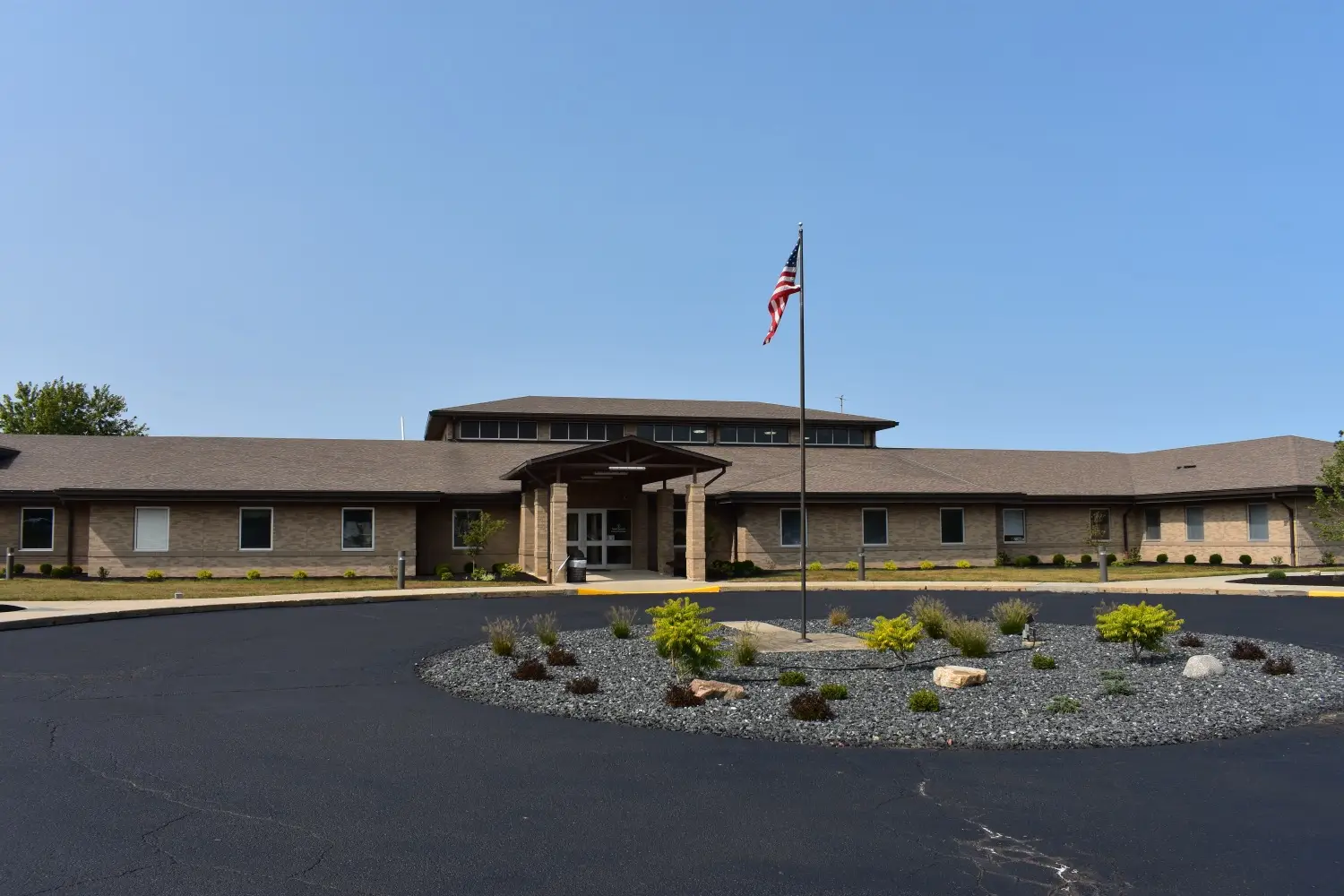
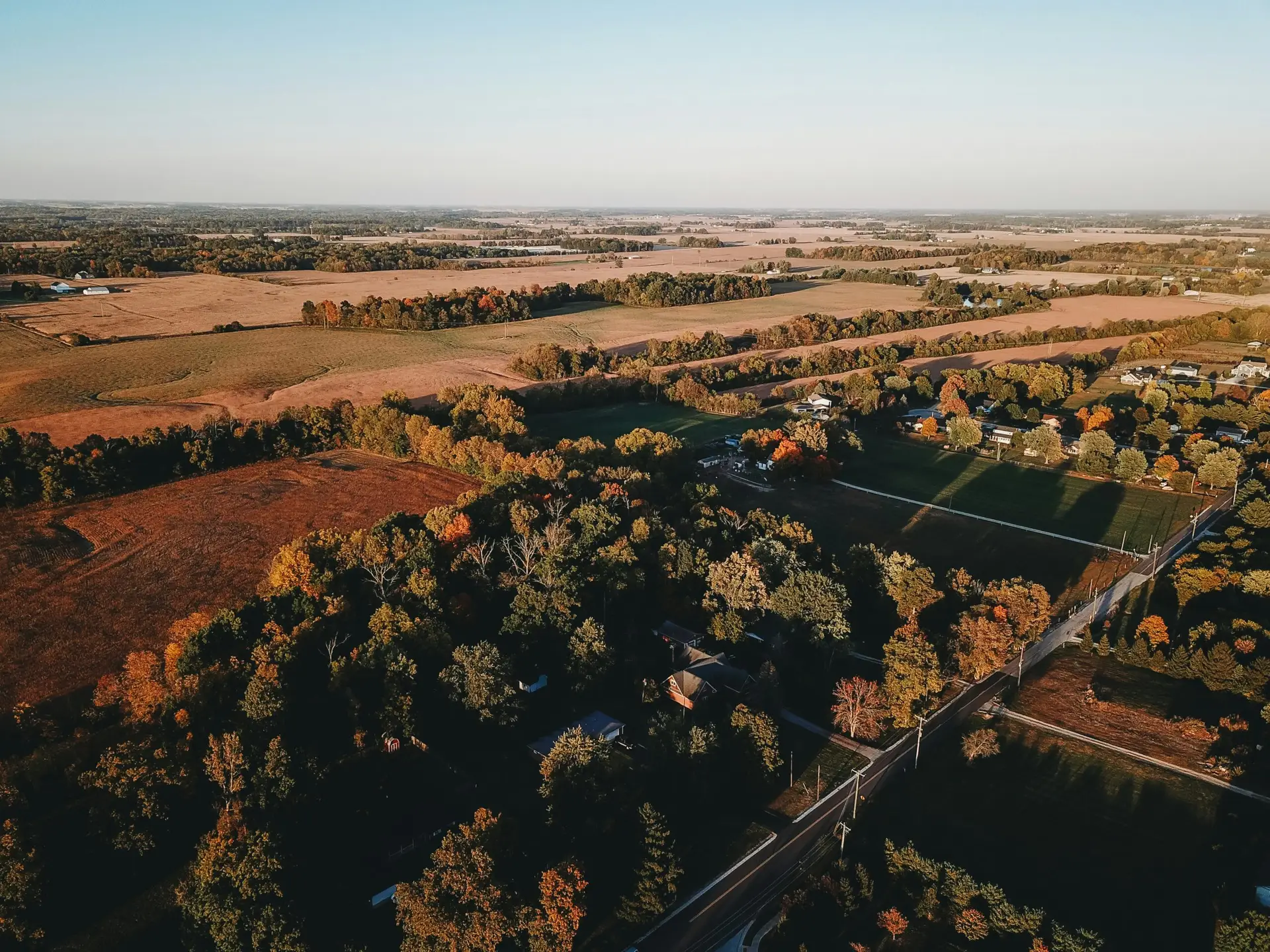
The 14-acre residential campus at Crossroads Healing Centers was intentionally designed to feel safe, peaceful, and supportive, far from the stresses and triggers of daily life.
During residential inpatient mental health and addiction treatment, you’ll benefit from 24/7 medical support in a peaceful, home-like setting designed for healing.
Our campus offers:
- Semi-private en-suite accommodations with modern conveniences
- Welcoming kitchen and dining areas
- Outdoor spaces, walking paths, and peaceful lounge areas
- Fitness and recreational facilities to support physical activity
- Private transportation services
This is not a sterile hospital environment, but a place designed to feel like home away from home. Here, healing feels possible as you experience true care.


Building a Strong Foundation for Long-Term Recovery
Stopping prescription medications is only the beginning. Real, lasting change comes from developing new skills, insights, and habits that support a life you love.
Throughout your time with us, you will work on:
- Recognizing your personal triggers and learning new ways to navigate them
- Building healthier ways to handle stress, emotions, and difficult days
- Improving communication and rebuilding trust in your relationships
- Creating daily routines that support your physical and mental health
- Developing practical relapse prevention strategies you can use after treatment
Our goal is to help you feel stronger, clearer, and more prepared for the road ahead.
Find Prescription Drug Addiction Treatment in Indiana
Taking that first step to reach out can feel daunting, especially when you’ve been managing on your own for so long. But you do not have to figure this out alone.
At Crossroads Healing Centers, you will find a team that genuinely cares about your recovery. We combine evidence-based therapies, wellness tools, and a supportive environment to help you build a healthier future.
If you or someone you love is struggling with prescription drug dependence, we are here and ready to help.
Contact Crossroads Healing Centers today and learn more about our residential programs.
Sources:
- National Institute on Drug Abuse (NIDA) – Prescription Drug Misuse and Abuse
- National Institute on Drug Abuse (NIDA) – Drugs, Brains, and Behavior: The Science of Addictio
- Substance Abuse and Mental Services Administration (SAMHSA) – Dual Diagnosis / Co-occurring Disorders