



Cocaine Addiction Treatment
- Medically Reviewed By: Megan Fisher, LCSW
- Reviewed On:
- Crossroads Healing Centers
- Conditions Treated
- Substance Abuse Treatment in Indiana
- Cocaine Addiction Treatment
Cocaine addiction can develop quickly and often has serious consequences to mental and physical health. People may initially snort or smoke cocaine for increased energy, confidence, or focus, imagining they can take it or leave it.
But, cocaine is very effective at hijacking the brain’s reward pathways. So much so, that once addiction has taken root, it begins to become one of the most important things in a person’s life, at the expense of other needs.
Cocaine addiction is insidious. Regular use more often than not leads to a downward spiral of addiction. Cocaine addiction treatment halts this chaotic cycle of abuse so that recovery can begin.
Treatment for Cocaine Addiction in Indiana
Crossroads Healing Centers’ Indiana drug and alcohol rehab provides expert, dual-diagnosis treatment. Our integrated care model is built from the ground up to support both addiction recovery and mental health. This comprehensive approach is one of the key ingredients needed to not simply stop cocaine abuse, but to build sustainable recovery.
Understanding Cocaine Addiction
Cocaine addiction is a substance use disorder that affects how the brain processes reward, motivation, and impulse control.
Once cocaine use becomes regular, the brain’s reward system is effectively “hijacked”. This often leads to both psychological dependence and compulsive patterns of use.
This distorted set of priorities gives finding and using powder or crack cocaine ever-increasing importance over things like hobbies, work, finances and family. This is how addiction gets its foot in the door and begins wreaking havoc in people’s lives.
Some common signs of cocaine addiction include:
- Changes in mood, energy, or sleep patterns
- Increased anxiety, irritability, or restlessness
- Financial problems due to spending on cocaine
- Withdrawal from responsibilities or relationships
- Spending more and more time thinking about cocaine
- Difficulty stopping cocaine use, despite negative consequences
- Physical effects: bloody noses, anxiety, insomnia, paranoia, etc.
- Neglecting other activities you used to enjoy in favor of cocaine
- Shutting out people who don’t use cocaine or express concern about your use
It’s very important to recognize that a cocaine habit that’s become an addiction will not improve on its own.
The Danger of Denial in Addiction
Are you or your loved one making excuses to justify cocaine use? Have you tried to quit or cut back repeatedly to no avail? Denial can be dangerous and even deadly when it comes to addiction.
The addicted mind is very good at creating elaborate excuses, empty promises and stories we tell ourselves to make using cocaine “OK”. A well-designed cocaine treatment program can break through the veil of denial and lies we tell ourselves. This awareness is key to breaking the cycle of addiction
How Cocaine Leads to Withdrawal
Stopping cocaine use without support can be nearly impossible. Not only is the compulsion to use powerful enough to override most people’s willpower, but once regular use begins, cocaine withdrawal becomes another obstacle to recovery.
When someone snorts or smokes cocaine regularly, , their brain chemistry is acclimated to the presence of cocaine metabolites. When they suddenly stop using, the brain and body can’t adapt to the sudden shift. The result is cocaine withdrawal symptoms.
Cocaine withdrawal symptoms often include:
- Depression
- Fatigue or low energy
- Irritability or agitation
- Lack of enthusiasm or motivation
- Sleeping too much or too little
- Powerful cravings/obsession
While cocaine withdrawal is not typically life-threatening, it’s often intense enough to make it very hard to resist relapse without proper support.
Cocaine addiction treatment provides critical support, helping individuals move through withdrawal safely. This buys precious time to build a solid foundation for recovery within the protection and structure of a treatment environment.

Cocaine Detox and Stabilization
For many individuals, cocaine addiction treatment begins with detox and stabilization.
This phase focuses on allowing the body and brain to adjust to the absence of cocaine while managing any cocaine withdrawal symptoms for comfort and safety.
Not every person who goes to treatment for cocaine abuse will require a medical detox however. Many are able to begin their care at the inpatient level. The level of care you or your loved one needs will be carefully determined by clinical evaluation.
A Whole-Person Approach to Treating Cocaine Addiction
Cocaine use is often connected to underlying mental health concerns such as anxiety, depression, trauma, or chronic stress.
Treating substance use alone may not address the full picture. An addiction to cocaine is often a symptom, rather than the entirety of the problem. Put simply, if you remove cocaine from the picture and change nothing else—-are you left with a happy, healthy and whole person?
Most people would say no, if they are honest and able to assess their situation objectively. If cocaine was the only problem to solve, they could go to detox for a week, stop using cocaine and go home and stay drug-free indefinitely.
The truth is, very few people can do that. That’s where dual diagnosis treatment and residential care and aftercare planning enter the frame.
Crossroads Healing Centers uses a dual diagnosis approach, integrating treatment for both cocaine addiction and co-occurring mental health conditions.
Our integrated approach helps people:
- See connections between mental health and addiction
- Develop healthier coping strategies
- Improve emotional regulation
- Reduce the risk of relapse
Inpatient Treatment for Cocaine Addiction in Indiana
Recovery from cocaine addiction involves more than simply stopping drug use. Sustainable recovery depends upon learning new ways to manage thoughts, emotions, and behaviors. These are some of the critical skills we establish in our inpatient program.
At Crossroads, inpatient treatment includes a combination of evidence-based therapies and supportive services, such as:
- Individual therapy to explore personal experiences and recovery goals
- Group therapy for peer support and shared insight
- Family support to rebuild trust and strengthen communication
- Psychiatric care, including evaluation and medication support when appropriate
In addition, Crossroads offers wellness-focused services, including:
- Nutrition and lifestyle support
- Stress management techniques
- Holistic and integrative therapies
- Physical wellness and recreational activities
These services support both physical and emotional healing from cocaine abuse, creating a comprehensive recovery experience.


A Healing Environment Where Recovery Prevails
The environment where treatment takes place can play an important role in recovery.
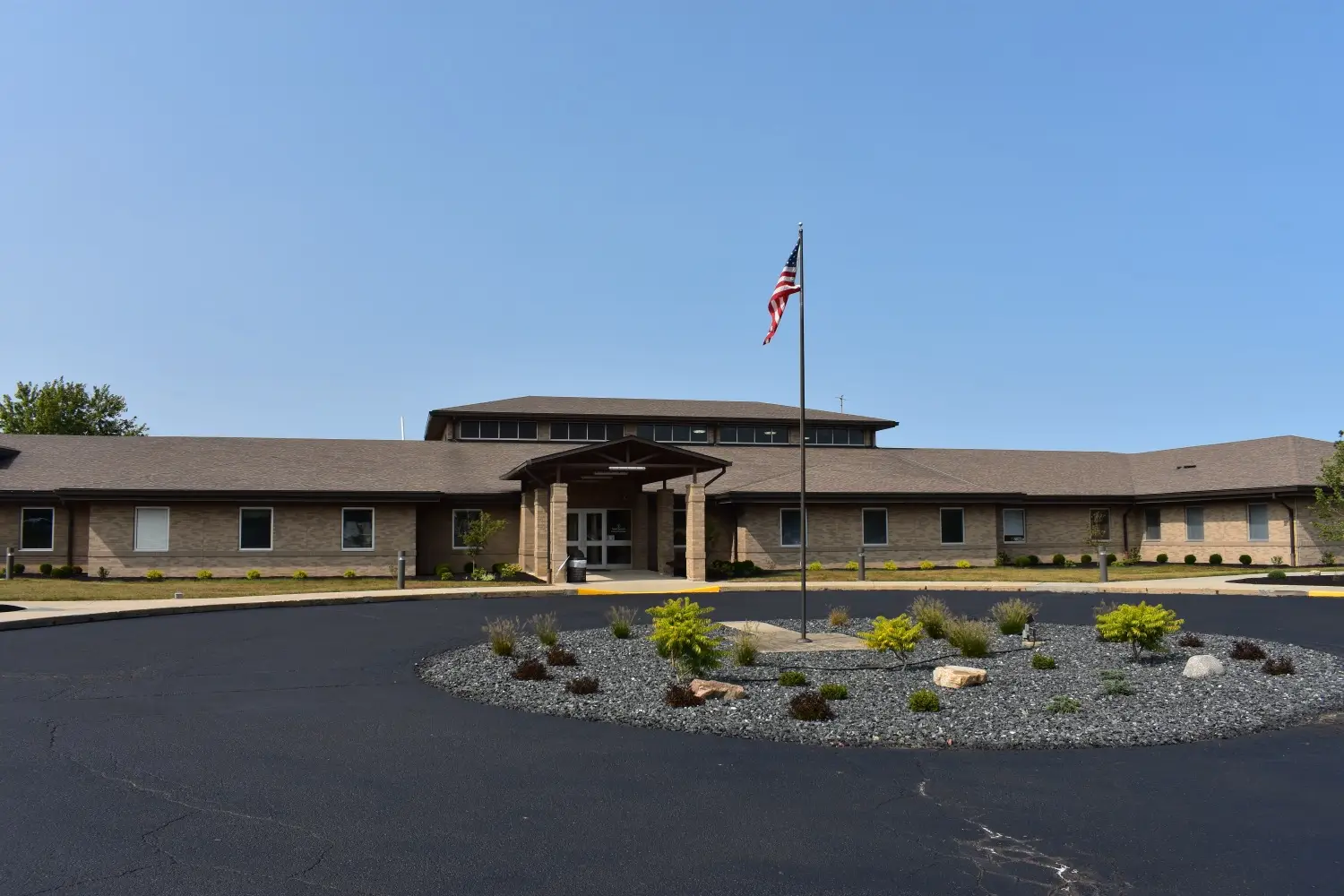
Crossroads Healing Centers provides an ideal retreat-like sanctuary that enables stability and calm focus.
Features of our Indiana treatment center include:
- Comfortable, semi-private accommodations
- Shared community and dining spaces
- Outdoor areas for relaxation and reflection
- Fitness and recreational opportunities
- Supportive, clinically guided care throughout the day
The immersion provided by a residential treatment program makes it easier for most people to tune out the mental noise of craving and worry. Day by day, new ways of thinking become the norm. Behavioral changes follow changes in thinking. This is recovery at its core.
The Secret to Long-Term Recovery from Cocaine Addiction
Long-term recovery from cocaine addiction requires developing new habits and skills that support a healthier lifestyle while providing tools for managing cravings and strong emotions.
The secret to lasting recovery from cocaine addiction is recognizing that recovery does not begin and end at the treatment center and acting accordingly.
You might say that rehab is where you pour the foundation and build a framework for lasting sobriety—but the job isn’t done when treatment ends. Recovery is a practice we must engage in for life to maintain our progress and continue our growth.
During treatment, individuals build tools such as:
- Identifying triggers and high-risk situations
- Managing cravings and emotional responses
- Strengthening communication and relationships
- Establishing healthy routines
- Practicing relapse prevention strategies
These skills help individuals maintain progress and navigate challenges after treatment ends.
Dual-Diagnosis Cocaine Addiction Treatment in Indiana
The first step towards a drug-free life is a big one, but you don’t have to take it alone.
At Crossroads Healing Centers in Indiana, individuals receive personalized care through a combination of therapy, wellness services, and structured support. All of the ingredients needed for recovery success are here.
If you or someone you love is struggling with cocaine use, reach out today for help beginning a safer, healthier path forward.
Sources:
- Cocaine DrugFacts — National Institute on Drug Abuse
- Cocaine — MedlinePlus