


IOP Mental Health Program in Connersville, IN

How Residential Mental Health Treatment Works: What to Expect

Taking the step to seek help for your mental health can feel overwhelming, especially if you’re considering residential treatment. You may have questions about what daily life looks like, how treatment works, or whether this level of care is right for your needs. 

Residential mental health treatment provides a structured, supportive environment where individuals can focus fully on healing. With professional guidance, evidence-based therapies, and a supportive community, residential care can help people address mental health challenges while building skills for long-term wellness. 

If you’re exploring treatment options for yourself or a loved one, understanding what to expect can help make the process feel more manageable. 

What Is Residential Mental Health Treatment?

Residential mental health treatment is a higher level of care for individuals who need more support than outpatient therapy but don’t require hospitalization. Individuals live on-site in a safe, therapeutic environment while participating in comprehensive treatment throughout the day. 

Residential programs provide 24-hour support, structured schedules, therapy, psychiatric care, and skill-building opportunities that help people stabilize symptoms and build a stronger foundation for long-term wellness. 

Individuals participating in a residential mental health group therapy session led by a therapist.

Who Is Residential Mental Health Treatment For?

Residential care may benefit individuals experiencing: 

According to the National Institute of Mental Health, professional treatment can help people manage symptoms and improve their quality of life. 

Treatment

A New Type of Mental Health Treatment

treatment services

A New Type of Mental Health Treatment

treatment services

A New Type of Mental Health Treatment in Indiana

Previous
Next
Request a confidential callback right now

This field is for validation purposes and should be left unchanged.
Full Name:*
Consent and Agreements
This field is hidden when viewing the form

Benefits of Residential Mental Health Treatment

Residential treatment offers a level of support that can be difficult to achieve through weekly therapy alone. By stepping away from everyday stressors and responsibilities, individuals can focus entirely on their treatment and emotional well-being. 

Many people enter residential treatment after finding that their symptoms have affected relationships, work, school, or daily functioning despite outpatient care. Others may benefit from a structured environment that provides consistent support, accountability, and opportunities to practice new coping skills throughout the day. 

For many individuals, residential care creates the stability needed to make meaningful progress and support long-term recovery. 

What Happens During the First Few Days?

The first few days of residential treatment focus on helping people settle in and begin building their individualized treatment plan. 

During this time, individuals typically: 

  • Complete clinical and psychiatric assessments 
  • Meet with therapists and treatment providers 
  • Discuss treatment goals 
  • Become familiar with the program schedule 
  • Begin participating in therapy and group sessions 

It’s normal to feel nervous when entering treatment. Many people arrive unsure about what to expect. However, as they become familiar with the routine and connect with staff and peers, those feelings often begin to ease. 

The first few days aren’t about solving every challenge at once. Treatment simply focuses on taking the first steps toward healing. 

how we can help

What Does a Typical Day in Residential Mental Health Treatment Look Like?

While every treatment plan is unique, most residential programs follow a structured daily schedule that balances therapy, education, wellness, and personal reflection. 

A typical day may include: 

  • Morning wellness activities
  • Individual therapy sessions 
  • Group therapy 
  • Psychiatric appointments and medication management 
  • Educational workshops 
  • Skills-building groups 
  • Recreational or experiential activities
  • Evening reflection and support sessions 

This structure helps create consistency while reducing the distractions and stressors that may interfere with recovery at home. 

Many individuals find that having a predictable routine helps improve emotional regulation, build healthy habits, and reinforce the skills they learn during treatment. 

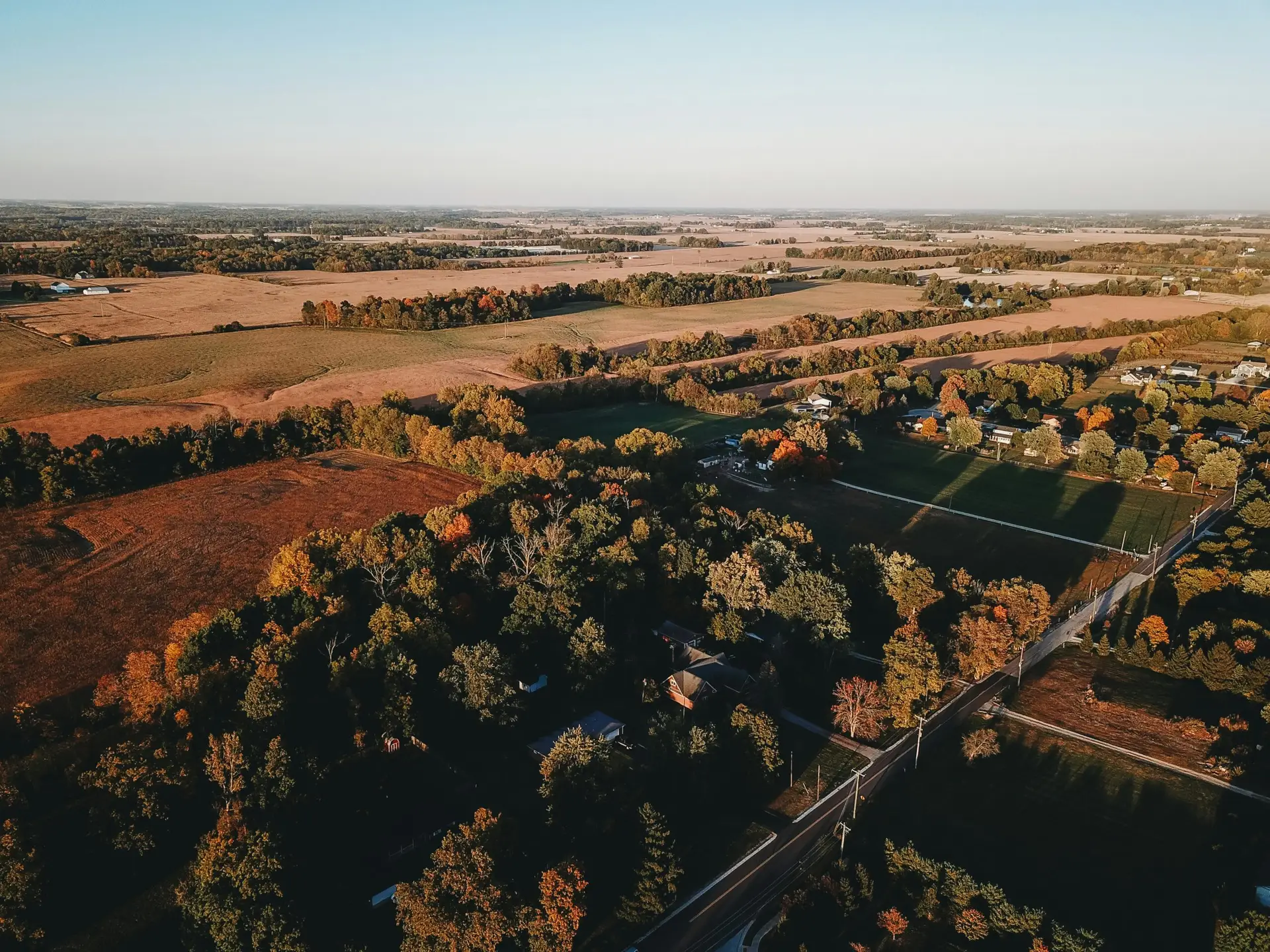
Aerial picture of a mental health clinic

What Therapies Are Used in Residential Mental Health Treatment?

Residential mental health treatment addresses wellness from multiple angles. Rather than relying on a single therapeutic approach, treatment plans often include several evidence-based services tailored to each person’s needs. 

admissions & insurance

We Work With Most Major Insurance

Individual Therapy

Individual therapy provides a private space to explore personal challenges, identify patterns, and work toward treatment goals with the guidance of a licensed therapist. 

Group Therapy

Group therapy allows individuals to connect with others facing similar struggles. These sessions often focus on communication, emotional regulation, coping skills, relationships, and personal growth. 

Family Support

Mental health challenges affect entire families. When appropriate, treatment may include family therapy or education opportunities that help strengthen communication and support systems.

Psychiatric Care

Psychiatric providers help evaluate symptoms, monitor progress, and manage medications when appropriate. This integrated approach helps ensure treatment remains aligned with each person’s evolving needs. 

Organizations such as the National Alliance on Mental Illness (NAMI) and Mental Health America (MHA) emphasize the importance of comprehensive treatment plans that address multiple aspects of mental health and recovery.

testimonials & reviews

What Our Clients Say...

Scenic forest and rocky overlook representing the peaceful environment that supports healing during residential mental health treatment.

we can help you learn to thrive

What Happens After Residential Mental Health Treatment

Residential treatment helps individuals build a foundation for continued success after returning home. 

Throughout treatment, individuals work with their care team to develop a plan for ongoing support. Depending on individual needs, recommendations may include a variety of treatment options. 

Discharge planning begins long before treatment ends to provide individuals with a clear understanding of their next steps and the tools needed to continue making progress. 

The Natinal Library of Medicine’s MedlinePlus Mental Health Resource Center notes that ongoing care and support can help maintain mental health improvements over time.

we can help you learn to thrive

Learn More About Residential Mental Health Treatment

Seeking help is a sign of strength, not weakness. Residential mental health treatment can provide the time, support, and structure needed to focus on healing and build a healthier future.

At Crossroads Healing Centers our team provides compassionate, individualized care in a supportive environment where lasting change is possible.

If you have any questions about residential treatment or would like to learn more about your options, contact our team today.

Sources: 

  1. Health Topics – National Institute of Mental Health
  2. Treatments and Approaches – National Alliance on Mental Illness
Peaceful lake surrounded by autumn trees representing healing and emotional wellness during residential mental health treatment.

Lost your password?