




IOP Mental Health Program in Connersville, IN

What Is Dual Diagnosis? Understanding Co-Occurring Mental Health and Addiction

Dual diagnosis occurs when someone has a mental health condition and a substance use disorder at the same time. Also commonly known as a “co-occurring disorder,” dual diagnosis can affect symptoms, recovery outcomes, and the type of care needed to address each person’s needs. 

If you’re trying to understand your condition or a loved one’s experiences, consider the connection between mood, anxiety, trauma, and substance use. It’s one of the most common patterns our team sees at our Indiana mental health and addiction treatment center.

How Do Mental Health and Substance Use Disorders Influence Each Other?

Mental health conditions and substance use disorders can share several underlying risk factors, including genetics, early trauma, and changes in brain chemistry. As a result, many people may experience multiple conditions at the same time. 

Someone living with untreated anxiety or depression might start drinking or using substances to temporarily relieve symptoms, which is often described as self-medication. Over time, that short-term relief fades, and continued use can begin worsening the symptoms the person intended to soothe. 

Participants engaging in a supportive group therapy session, offering encouragement and emotional support during mental health recovery.

According to the National Institute on Drug Abuse, co-occurring disorders can develop through several pathways. Shared risk factors can contribute to both conditions, an existing mental health condition can lead to substance use, and substance use itself can trigger or intensify mental health symptoms. 

Regardless of which condition developed first, treating both together typically offers the most effective path forward. 

Treatment

A New Type of Mental Health Treatment

treatment services

A New Type of Mental Health Treatment

treatment services

A New Type of Mental Health Treatment in Indiana

Previous
Next
Request a confidential callback right now

This field is for validation purposes and should be left unchanged.
Full Name:*
Consent and Agreements
This field is hidden when viewing the form

Dual Diagnosis by the Numbers in Indiana

Co-occurring disorders are far more common than many people realize. Substance Abuse and Mental Health Services Administration’s (SAMHSA) 2024 National Survey on Drug Use and Health found that roughly 21.2 million adults nationwide were living with both a mental illness and a substance use disorder. Among adults with a serious mental illness, almost half had a substance use disorder. 

Indiana’s numbers tell a similar story. The state’s Division of Mental Health and Addiction reports that, as of 2022, about 24.4% of Hoosiers age 18 and older experienced a mental health condition in the past year, with 6.4% reporting a serious mental illness. 

At the same time, the state has continued to face significant challenges related to substance use, including many deaths related to opioid misuse. These trends can help explain why co-occurring mental health and substance use disorders remain a common concern across the state. 

how we can help

Common Co-Occurring Combinations

While dual diagnosis can involve many different combinations of conditions, several patterns frequently appear in treatment settings: 

  • Depression or anxiety paired with alcohol misuse, which may begin as an attempt to manage persistent sadness, worry, or emotional distress
  • PTSD or unresolved trauma paired with alcohol or opioid misuse linked to coping with flashbacks, hypervigilance, or chronic pain
  • Bipolar disorder paired with stimulant or alcohol misuse, which can intensify mood swings and make episodes more difficult to manage 
  • Anxiety disorders paired with prescription medication misuse, sometimes developing after a legitimate prescription that becomes harder to manage

Each combination calls for a slightly different approach. Still, many people can benefit from treatment that understands both alcohol addiction treatment and opioid addiction treatment, along with any underlying mental health symptoms.

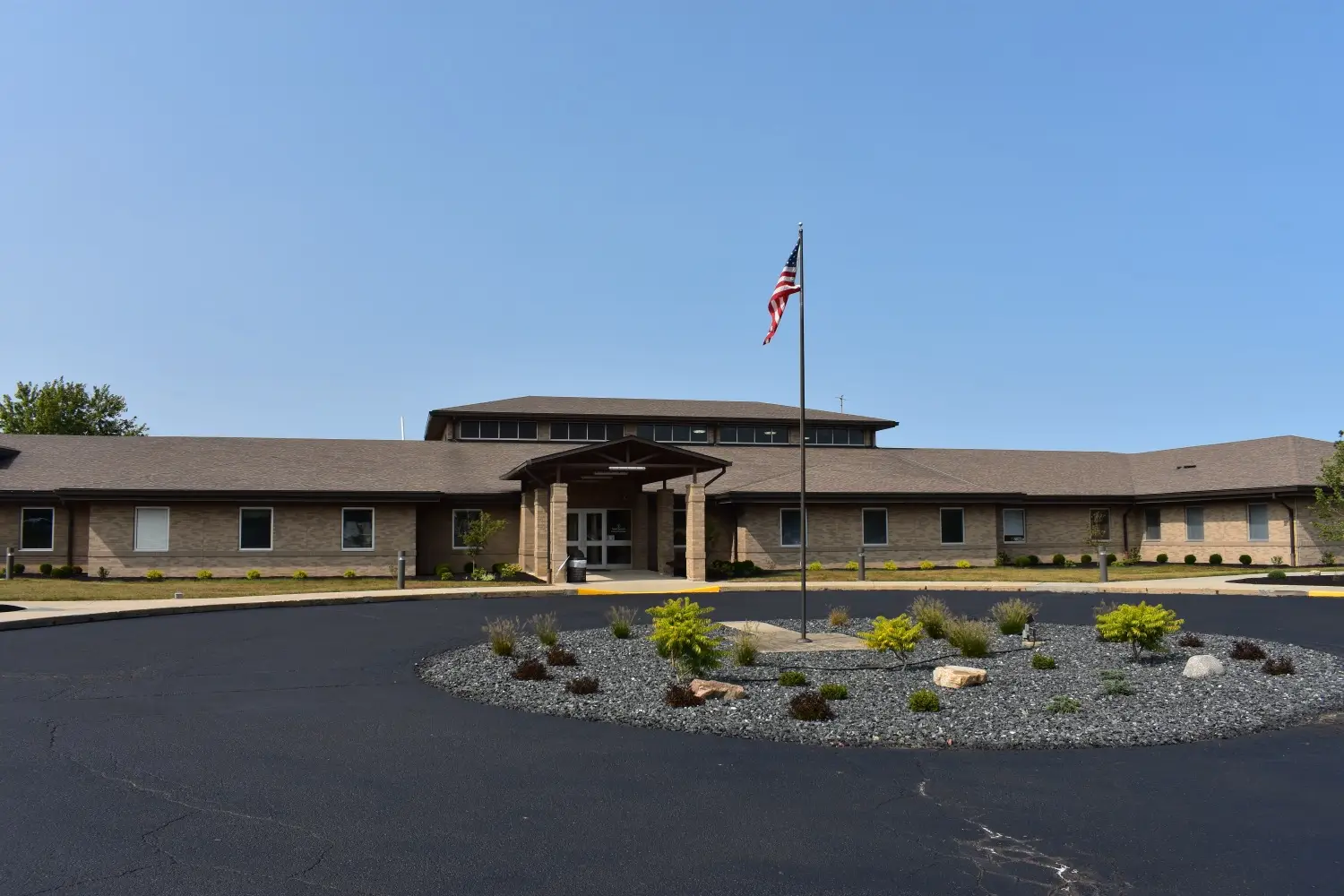
Aerial picture of a mental health clinic

Why Can Integrated Treatment Deliver Better Outcomes?

Treating a mental health condition without addressing substance use or treating substance use without addressing an underlying mental health condition can increase the likelihood of recurrence of use. 

SAMHSA notes that integrated care — in which both conditions are assessed and treated within one coordinated plan — can lead to better engagement and stronger long-term outcomes than treating each condition in isolation. 

Rather than sending clients to separate addiction and mental health providers, our clinical team builds one individualized plan that includes therapy, psychiatric support, and medical care for both sides of the diagnosis from day one.

admissions & insurance

We Work With Most Major Insurance

Signs You or a Loved One May Be Dealing With a Dual Diagnosis

Dual diagnosis can be easy to miss because symptoms can often overlap.

The following signs can help you consider the possibility of dual diagnosis: 

  • Using alcohol or drugs to cope with symptoms of anxiety, depression, or trauma
  • Noticing that mood, anxiety, or sleep gets worse during periods of heavier substance use 
  • Going through addiction treatment, but returning to use once mental health symptoms resurface
  • Feeling unable to function at work, school, or home without using a substance to get through the day

A professional evaluation is the most reliable way to best understand any condition and explore the ideal type of care. 

testimonials & reviews

What Our Clients Say...

we can help you learn to thrive

Find Dual Diagnosis Support in Indiana

If this sounds familiar, help is available. Crossroads Healing Centers offers residential dual diagnosis treatment in Connersville, Indiana, that recognizes how mental health and addiction recovery can happen together — not separately.

Our clinical team evaluates both sides of your diagnosis from day one and builds a treatment plan around your specific symptoms, history, and goals.

Contact our admissions team today to talk through what dual diagnosis treatment could look like for you or a loved one, and verify your insurance benefits before you ever set foot on campus.


Sources: 

  1. Mental Health and Substance Use Co-Occurring Disorders — Substance Abuse and Mental Health Services Administration (SAMHSA)
  2. Co-Occurring Disorders and Health Conditions — National Institute on Drug Abuse
  3. Mental Health in Indiana — National Alliance on Mental Illness
  4. The Prevalence, Consumption, and Consequences of Alcohol, Tobacco, Marijuana, Opioids, Stimulants, Mental Health, Problem Gambling, and Viral Hepatitis/HIV/AIDS in INDIANA, SFY 2025 — Indiana State Epidemiological Outcomes Workgroup
Vibrant autumn trees with colorful red, orange, and yellow foliage behind a white picket fence in a peaceful park.

Lost your password?